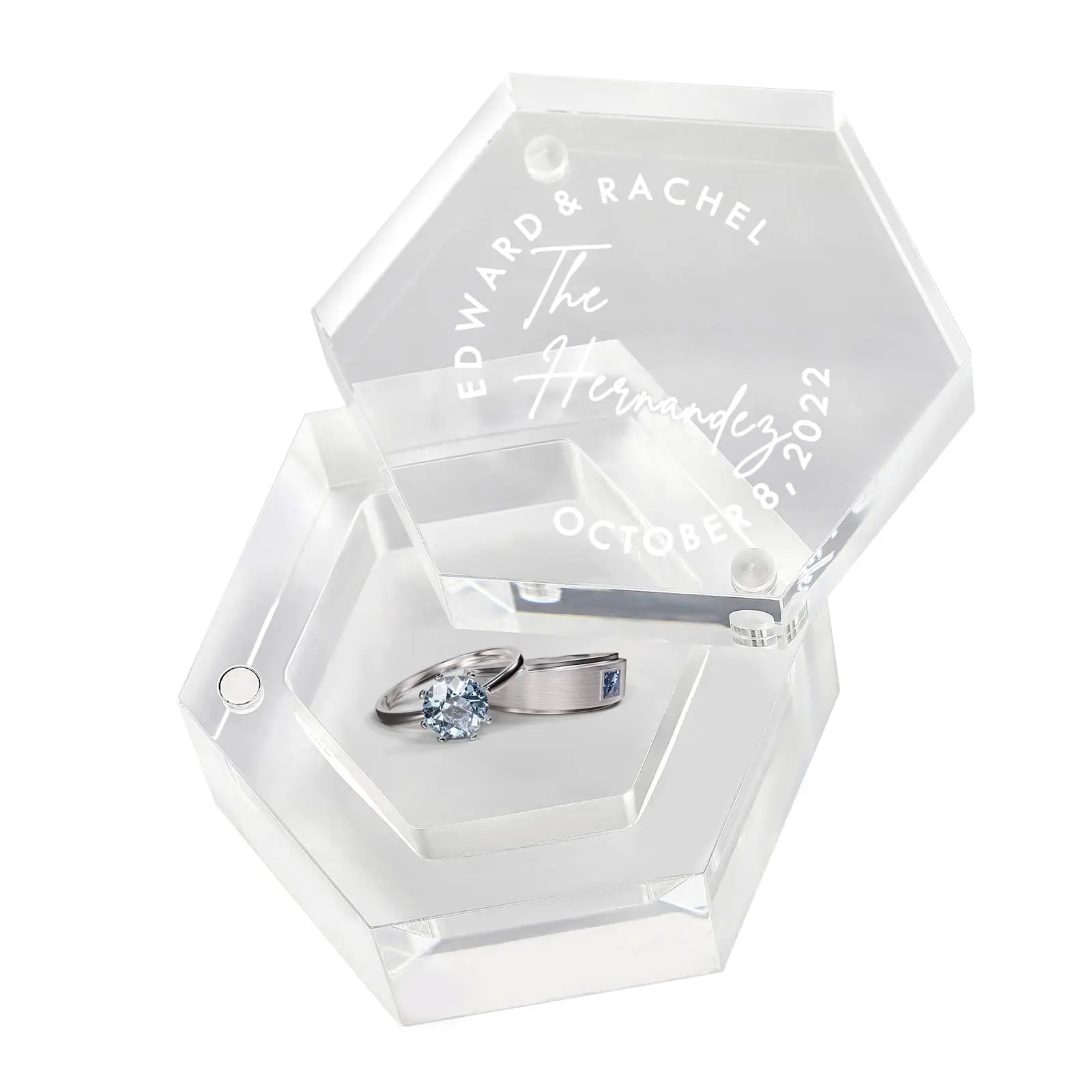
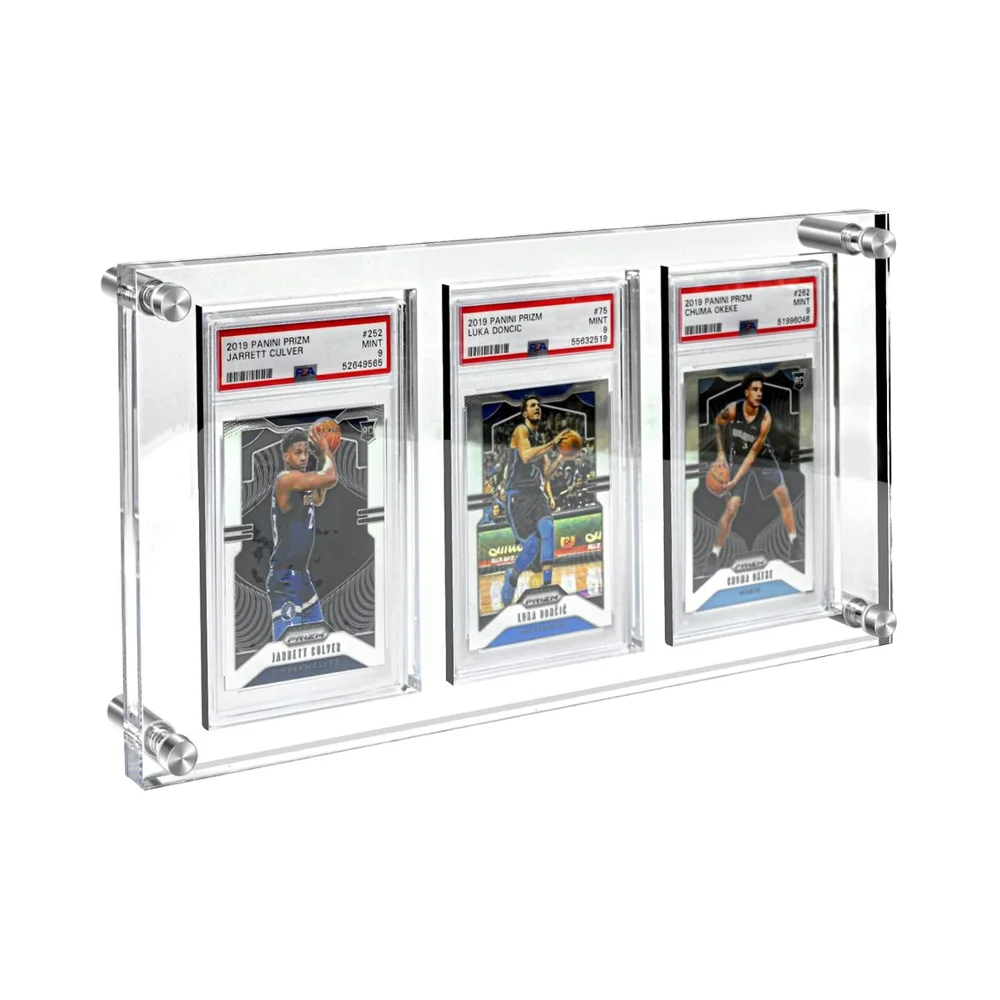
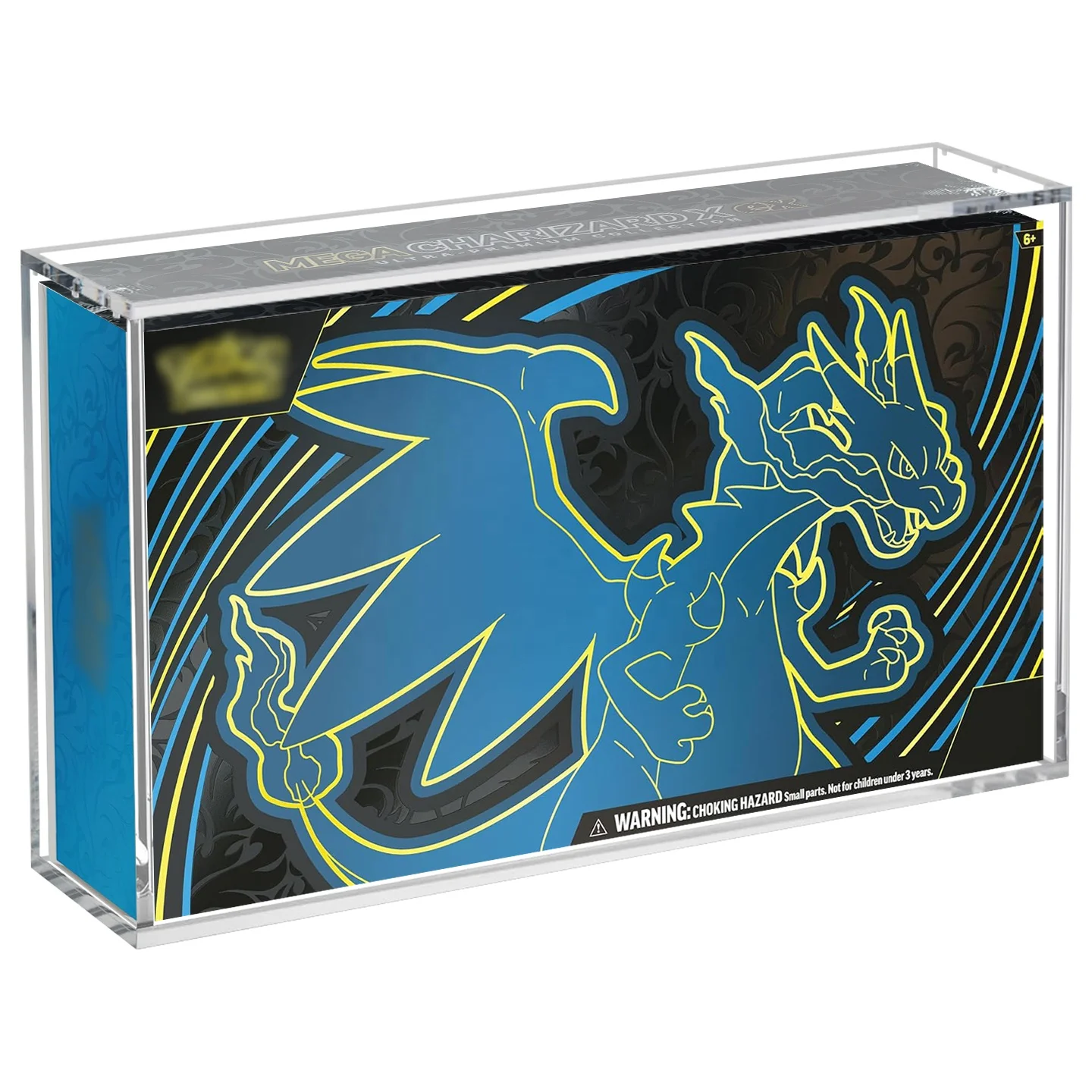
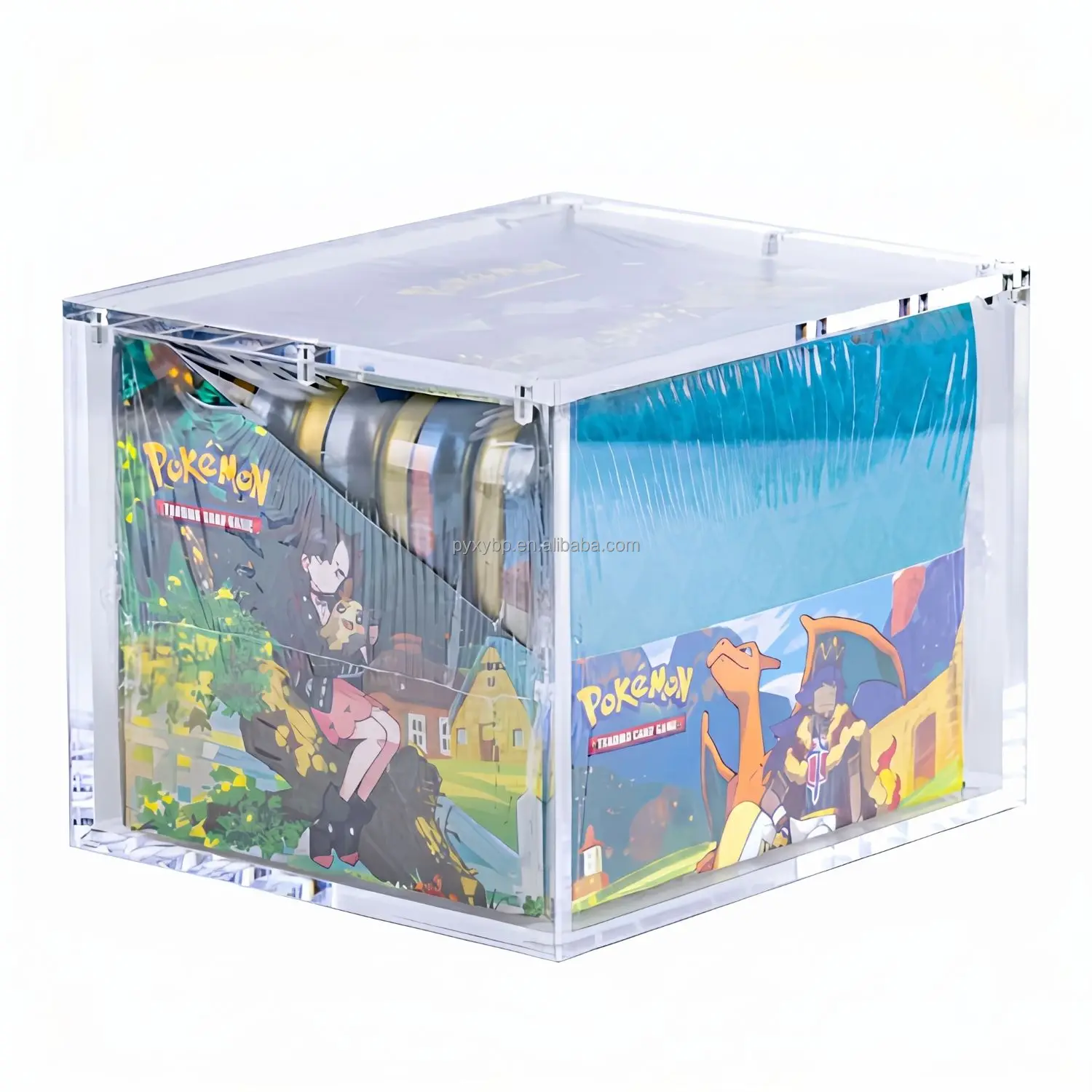
Most clear plastic picture frames are made from one of three main plastics these days: acrylic (known as PMMA), polycarbonate (or PC for short), and polystyrene (PS). Each material has its own strengths and weaknesses when it comes to how clear they are, how strong they are physically, and how well they hold up against things like sunlight and temperature changes. Acrylic is probably the best all-around option for regular framing needs because it looks almost like glass with about 92% light transmission. It also stands up pretty well to UV damage and can take some knocks without breaking completely. Then there's polycarbonate which is super tough stuff actually about 250 times stronger than glass when it comes to impacts. But this extra strength comes at a cost since it loses around 2 to 4 percent in clarity compared to acrylic and tends to get scratched more easily over time. The third option is polystyrene, which is cheap and gives good structural support but just isn't very durable. Anyone who has used polystyrene frames knows they tend to crack easily, develop cloudiness after not too long, and start turning yellow quickly when exposed to sunlight because the material itself isn't stable enough.
| Property | Acrylic (PMMA) | Polycarbonate (PC) | Polystyrene (PS) |
|---|---|---|---|
| Impact Resistance | Moderate (10–20× glass) | High (250× glass) | Low (brittle) |
| Clarity | 92% light transmission | 88–90% transmission | Prone to cloudiness |
| UV Resistance | Excellent | Good | Poor |
| Frame Suitability | Best all-purpose | High-risk environments | Budget/temporary |
The big problem with old fashioned glass is that it can shatter completely. Plastic frames solve this issue because when acrylic or polycarbonate materials get damaged, they tend to bend or break into bigger chunks rather than creating those dangerous flying glass pieces we all know too well. This kind of breaking pattern means these plastic options are much safer choices for places where kids run around, busy exhibition spaces, school buildings, and areas that might experience earthquakes. Plus, plastic is about half the weight of regular glass which not only cuts down on injuries if something falls but also makes installation easier, particularly important when dealing with those really large picture frames that seem to take forever to hang properly on the wall.
How well something resists scratches really matters for keeping things clear over time, especially when they get handled regularly, cleaned, or moved around. Polycarbonate might be great at taking impacts, but acrylic actually holds up better against those tiny scratches caused by dust particles, fabric cleaners, or just bumping into stuff accidentally. Regular plastic without any special treatment tends to gather these little scratches as time goes on, and this messes with how light passes through making everything look foggy instead of crystal clear. Many high quality frames come with special scratch resistant coatings these days. Tests have shown these coatings can cut down on visible marks by about 60% compared to regular uncoated materials according to the Material Durability Report from last year. If someone wants their stuff to stay looking good for longer periods, investing in products with proper protection makes all the difference.
The main reason polymers break down in clear picture frames is UV radiation, which causes chain scission and creates those annoying chromophores that show up as yellow spots or cloudy areas. Regular acrylic tends to start turning colors after about three to five years if left in direct sunlight. Polycarbonate behaves differently because of its unique chemical makeup, resisting yellowing much better. Studies from 2023 found that polycarbonate keeps over 88% of its light clarity even after ten years of equivalent outdoor UV exposure. When manufacturers add UV stabilizers to acrylic and combine them with protective coatings, the results are impressive. These treated materials can last twice as long before showing signs of yellowing, matching what polycarbonate does naturally in sunny environments.
| Factor | Acrylic Performance | Polycarbonate Advantage |
|---|---|---|
| Yellowing Timeline | 3–5 years (unstabilized) | 10+ years |
| Cloudiness Risk | Moderate | Low |
| Maintenance Needs | Annual inspection recommended | Biannual inspection sufficient |
When taken good care of, quality clear plastic picture frames can last between 15 to 25 years without losing their shape or clarity, which beats out most wooden or metal frames in homes and offices. Acrylic frames keep their museum quality look for about twenty years if kept away from scratches and sunlight, whereas polycarbonate ones are really tough stuff that can handle bumps and knocks that would break regular glass or even crack standard acrylic. The problem comes when cheaper plastics get exposed to changing humidity levels or temperature shifts, causing them to fog up over time. But the better quality stuff with UV protection and scratch resistance keeps letting through over 90 percent of light for many years. Safety is another big plus since these frames won't shatter like glass does, making them great choices for places like schools, retail stores, or anywhere kids might be running around where broken glass could cause serious problems.
Extend frame longevity using proven, material-specific protocols grounded in polymer science:
Gentle Cleaning Protocol Start by wiping away any loose dust using a clean dry microfiber cloth. After that, slightly moisten the same cloth with either distilled water or something labeled as safe for plastics. When doing this, stick to straight lines instead of going in circles because circular motions tend to build up those tiny scratches over time. Avoid using harsh chemicals such as ammonia since these can actually break down the material's surface and cause it to haze faster. According to some studies cited in the Material Durability Report from last year, following these simple steps properly cuts down on surface wear by about two thirds within just five years of regular maintenance.
For proper frame storage, keep them standing upright in a place that stays cool, away from light and moisture. Ideal temps range between 60 to 75 degrees Fahrenheit with humidity below 50%. Wrap each frame separately in acid-free paper and put them into proper archival containers. Don't store valuable items in places like attics or basements where temperatures swing wildly. These extreme changes can warp acrylic materials temporarily but will permanently crack polycarbonate ones over time. Most problems we see with deformed frames come from unstable storage environments according to what experts have tracked over many years of research.
Sunlight-Mitigated Display
Mount frames away from direct sunlight or install UV-filtering glazing (e.g., museum-grade acrylic with integrated UV blockers). Rotate displayed artwork quarterly to distribute UV exposure evenly. In seismic zones, use certified earthquake-resistant wall anchors—accidental impact accounts for 43% of premature frame failures, per industry incident analysis.
Consistent adherence to these practices preserves both optical fidelity and mechanical performance for 20+ years—exceeding average industry longevity benchmarks by 3.5×.
 Hot News
Copyright © 2026 by Wenzhou XYBP Cultural Supplies Co., Ltd. - Privacy policy
 EN
EN