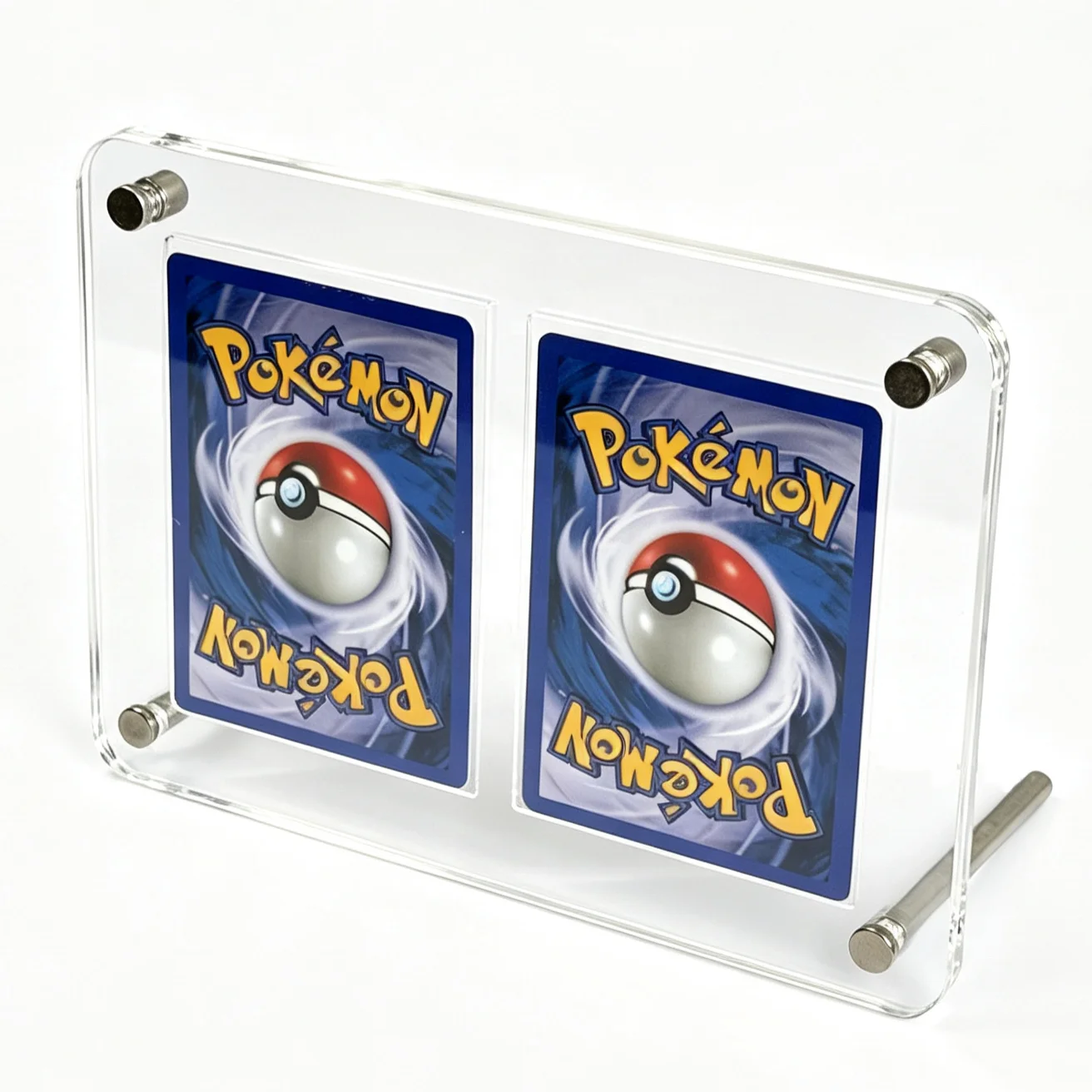
Ultraviolet (UV) light accelerates color fading and material degradation in collectibles. Action figures lose vibrant paint details within months under direct sunlight, while resin statues develop micro-cracks and surface cloudiness due to UV-induced polymerization breakdown.
When it comes to protecting against harmful UV rays, acrylic actually beats regular glass hands down. Standard acrylic blocks about 98% of those dangerous UV-B/C rays thanks to special chemicals mixed right into the material during production. Regular old glass without any treatment lets through around 74% of UV-A radiation though, which means businesses often need to spend extra money on expensive laminated coatings just to get comparable protection levels. Another big plus for acrylic is its longevity. Most modern acrylic products keep their crystal clear look at around 92% transparency even after sitting out for five whole years. Meanwhile, plain glass that hasn't been treated with UV filters starts turning yellow and cloudy visibly within just three years of exposure.
Acrylic and glass both offer good optical clarity, though acrylic actually does better when it comes to blocking UV rays. Glass stays pretty transparent overall, but regular glass lets about 90-95% of those harmful UV rays through, which can really fade colors over time. Acrylic works differently it naturally stops around 75% of UV light without any treatment. Some special coatings bump that protection up close to 98%. For collectors who want to keep their detailed action figures or delicate resin sculptures looking fresh for years, acrylic display cases are often the smarter choice.
Acrylic’s impact resistance exceeds glass by 30 times, significantly reducing breakage risk. Glass breaks into sharp shards with 2.4x more force than what causes acrylic to fracture. In homes or offices with children or pets, acrylic’s shatterproof nature enhances safety without compromising display quality.
Acrylic display cases cost 30–50% less than glass equivalents, offering a budget-friendly solution for expanding collections. While glass conveys traditional elegance and weight-associated prestige, acrylic delivers superior long-term value through lower replacement costs and easier maintenance—key advantages for practical collectors.
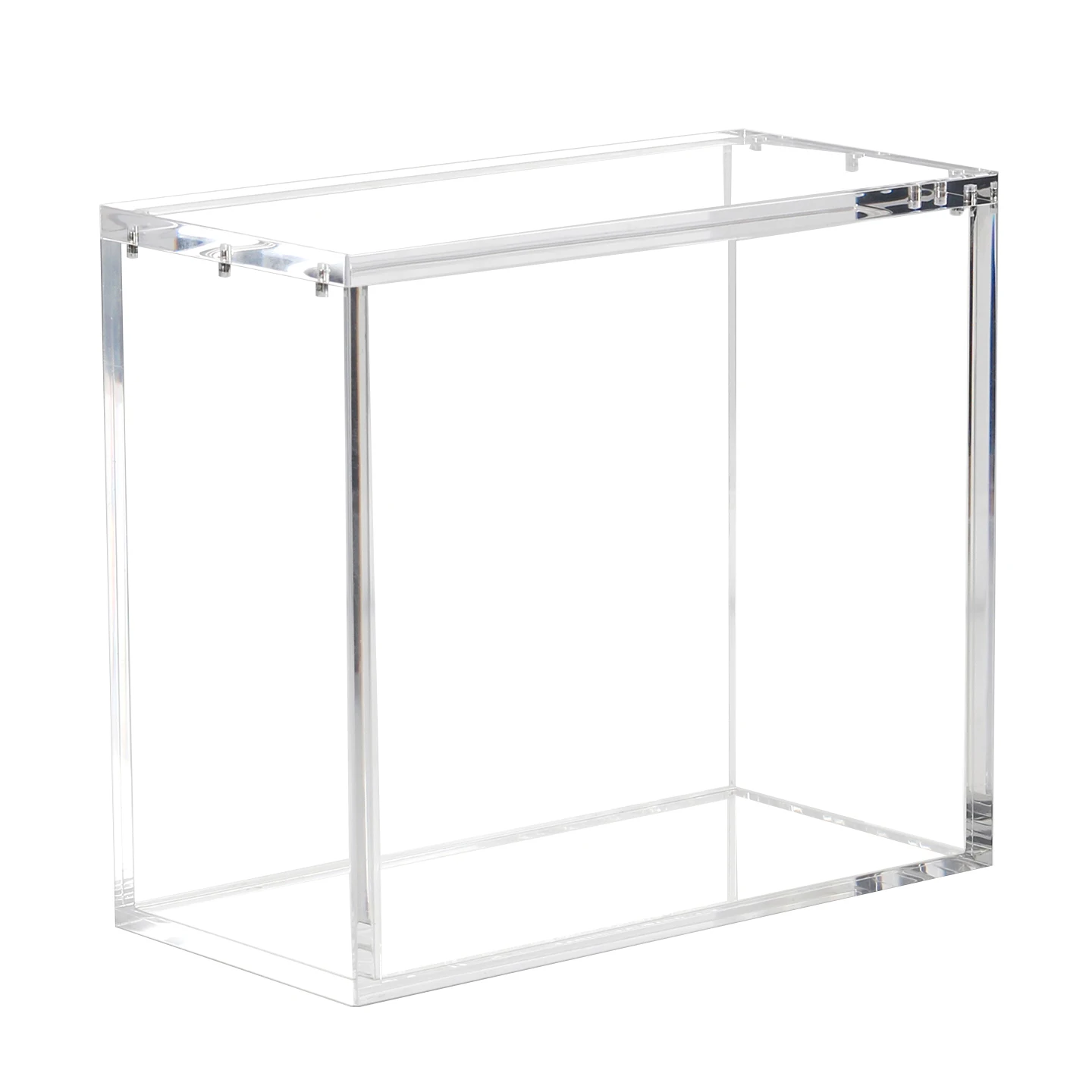
When it comes to measuring collectibles, grab those calipers or a soft tape measure and check out the height, width, and depth. Don't forget to leave about half an inch to a full inch extra space around each side. This helps avoid any accidental bumps that could damage things, plus keeps everything looking good on display. Irregular items like resin statues or old medals need special attention too. Look out for those sticking-out bits like wings, weapons attached, or display stands that might get squished otherwise. Getting the spacing right really matters because compressed parts can break over time, and tight spaces just invite dust to settle in where it shouldn't be.
Allow 2–3 inches of vertical space between items so each piece stands out. For smaller collectibles like pins or coins, leave 1.5–2 inches horizontally. Transparent acrylic risers or angled platforms create tiered displays without obstructing sightlines. Well-spaced arrangements are perceived as 23% more valuable than cluttered setups, according to collector studies.
Mirrored backings increase perceived collection size by 80% and eliminate visual dead zones, transforming standard clear display cases into immersive showcases. Integrated risers and tiered stands enhance depth and viewing angles, especially effective for action figure dioramas or graded comic book displays.
Hybrid lighting systems combine ambient backlighting with directional LEDs. Focused illumination reduces shadow interference by 40% compared to single-source setups, crucial for highlighting metallic finishes on resin statues. Diffused lighting panels minimize glare while preserving true color accuracy, ideal for sensitive items like vintage posters.
Market research indicates that around two thirds of top quality glass display cases will feature internet of things technology by the middle of next decade, mainly because museums and collectors want better ways to manage their collections remotely. The sensors inside these cases monitor changes in temperature and how much dust builds up over time, while smart algorithms can actually predict when something might need fixing before it breaks down completely. Take commercial galleries for instance, where smart display units have cut electricity bills by roughly twenty percent thanks to climate control systems that adjust automatically based on what's happening inside the case according to data from the US Department of Energy. What we're seeing here is basically a move towards what some call "intelligent preservation" methods. These advanced systems help keep valuable items looking great for years without needing constant attention from staff, which makes them especially attractive for rare artifacts that deserve museum level care but don't come with unlimited budgets.
 Hot News
Copyright © 2026 by Wenzhou XYBP Cultural Supplies Co., Ltd. - Privacy policy
 EN
EN