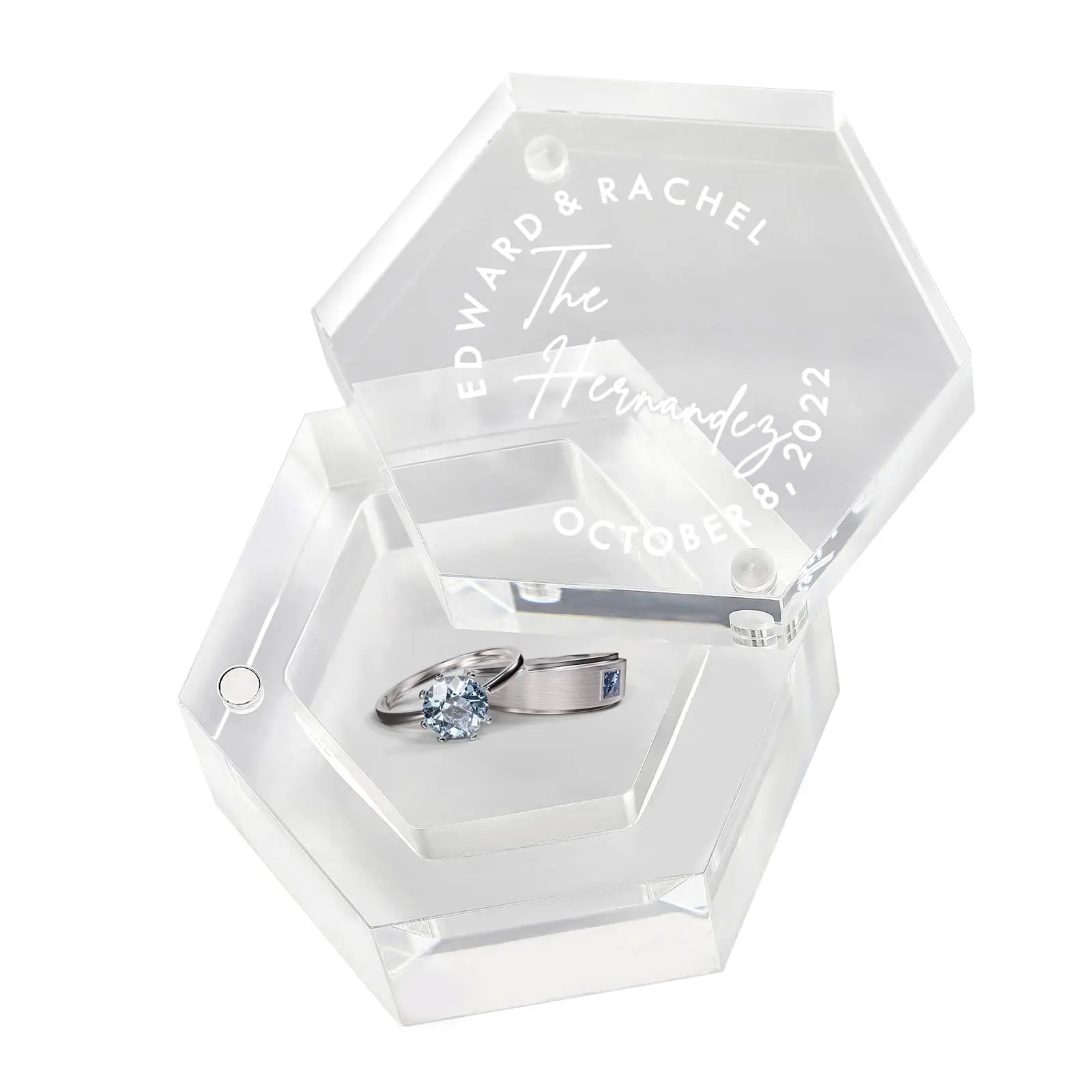
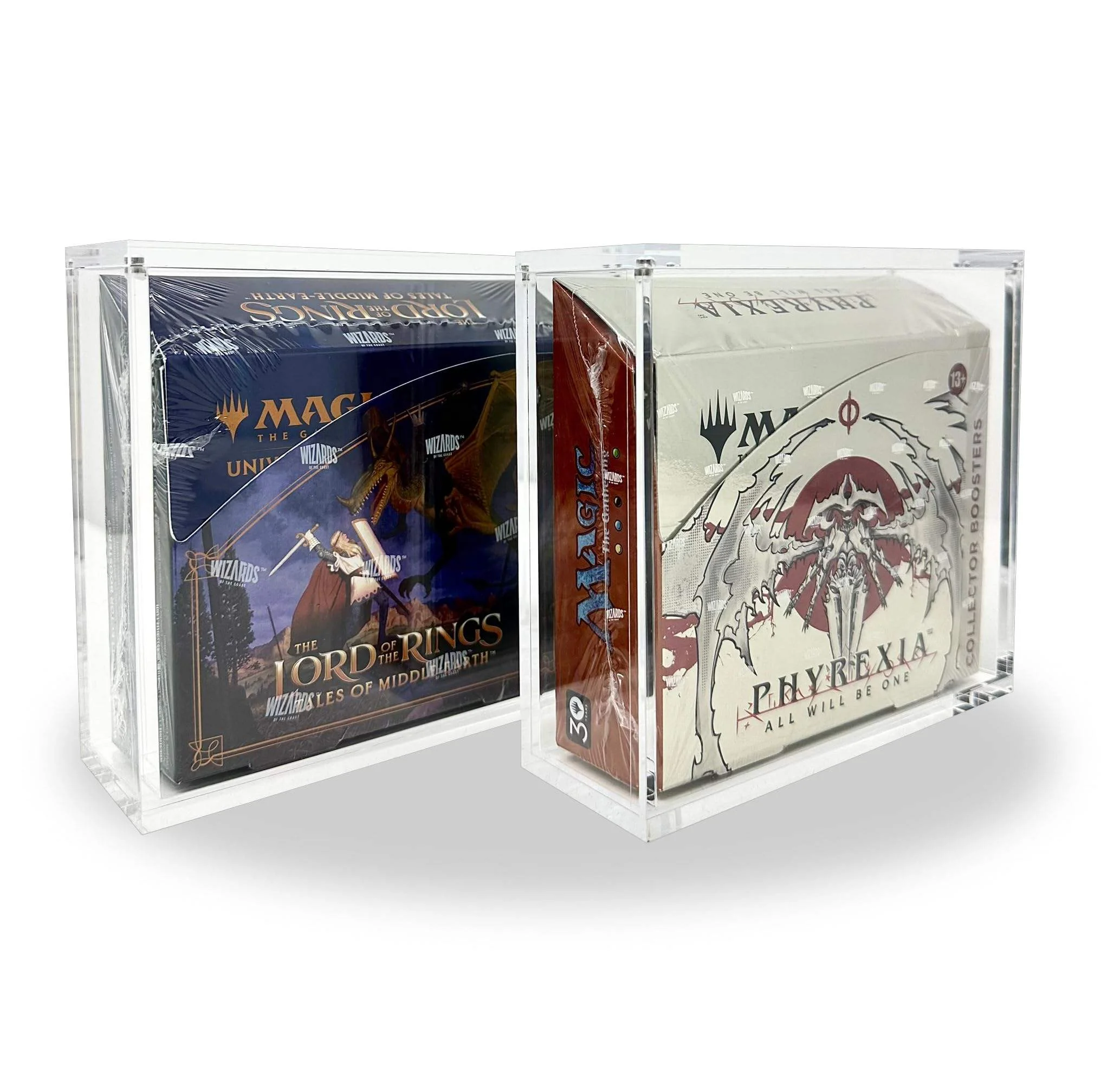
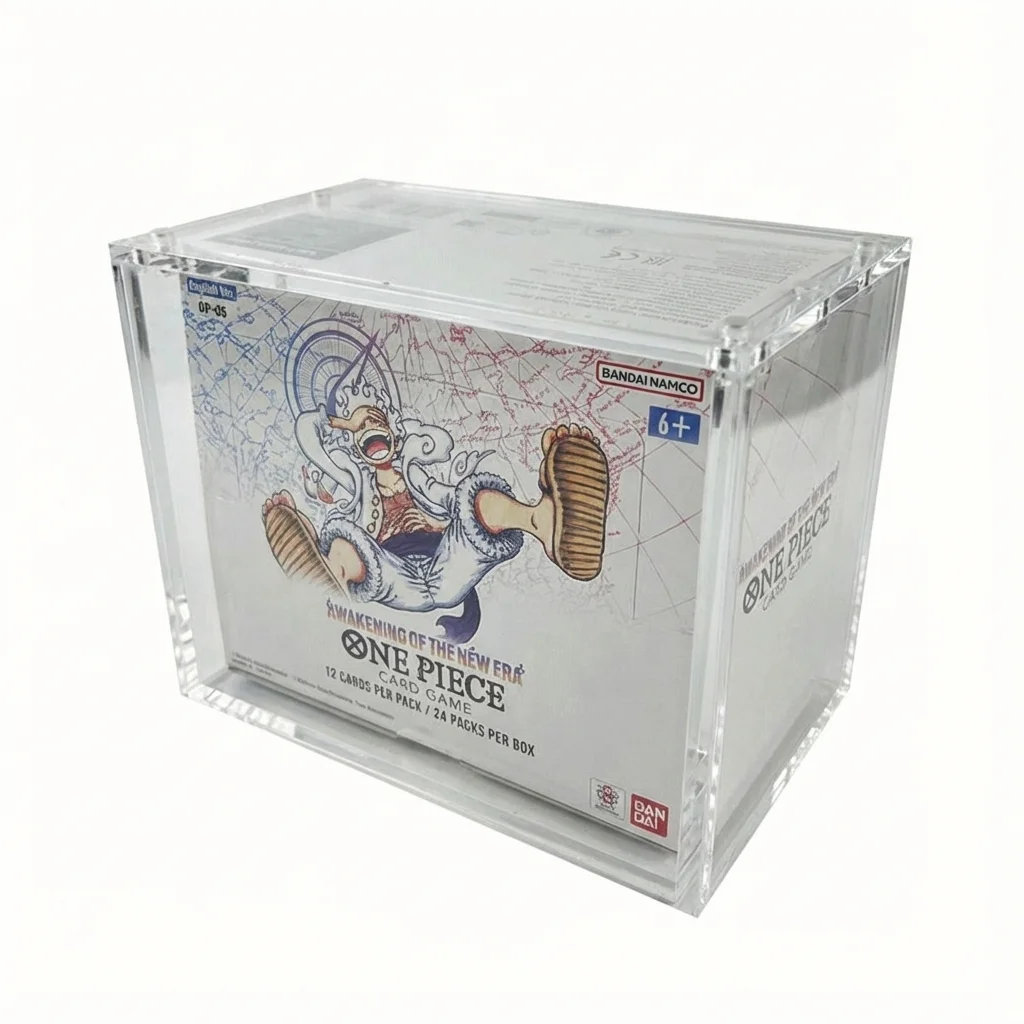
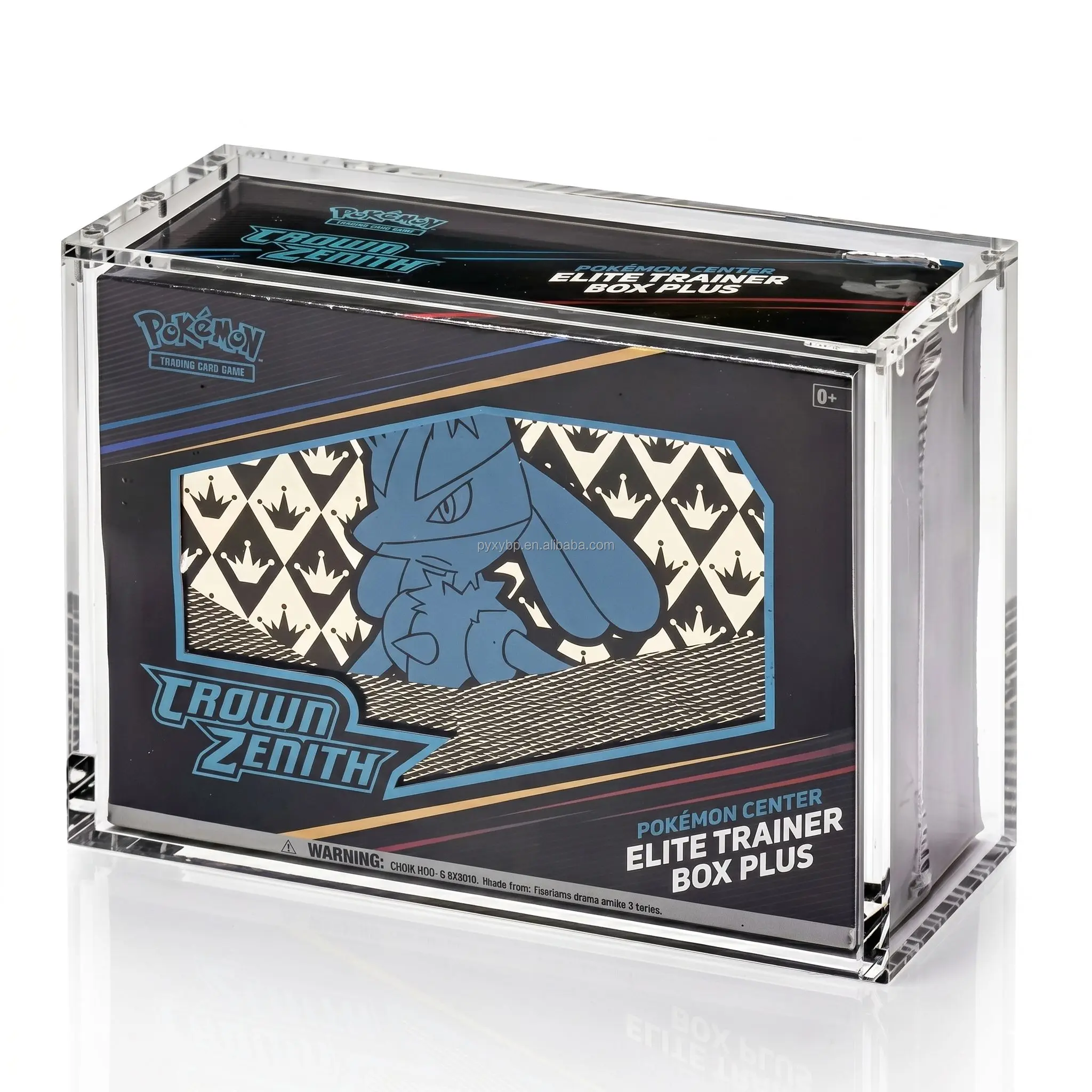
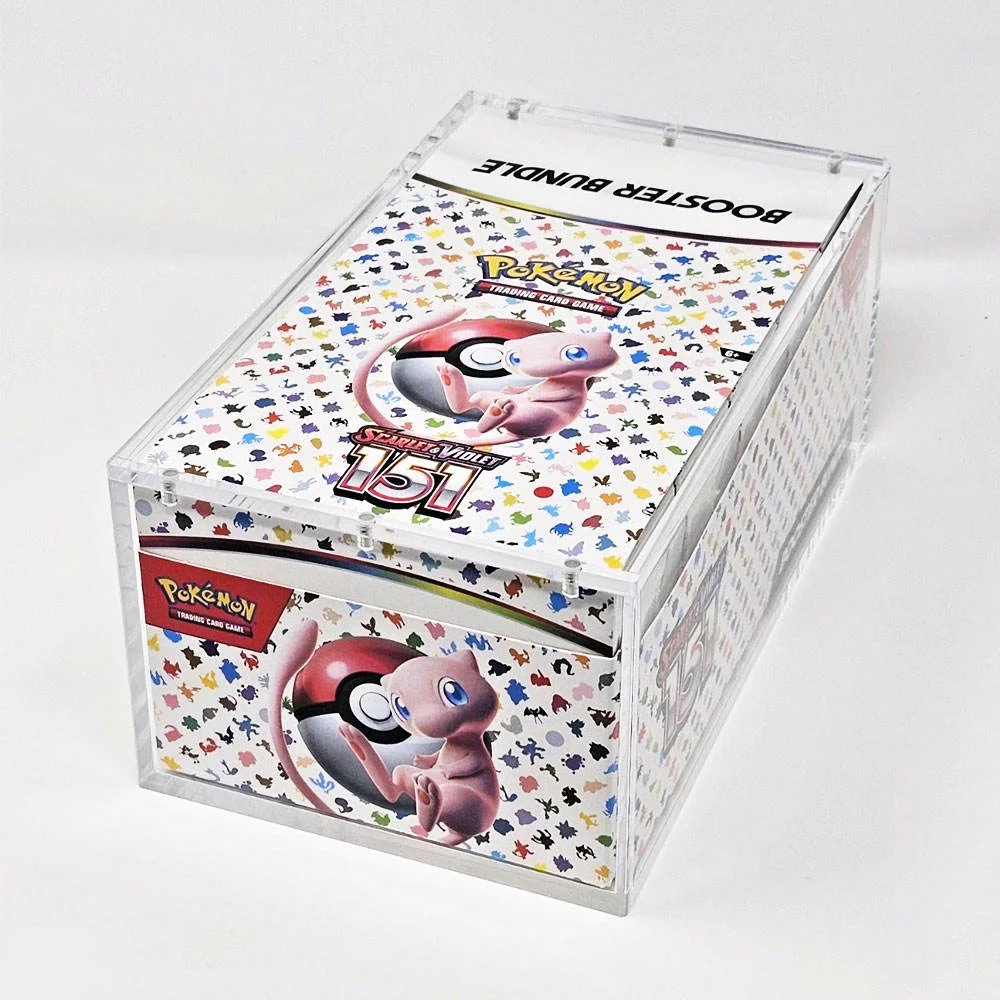
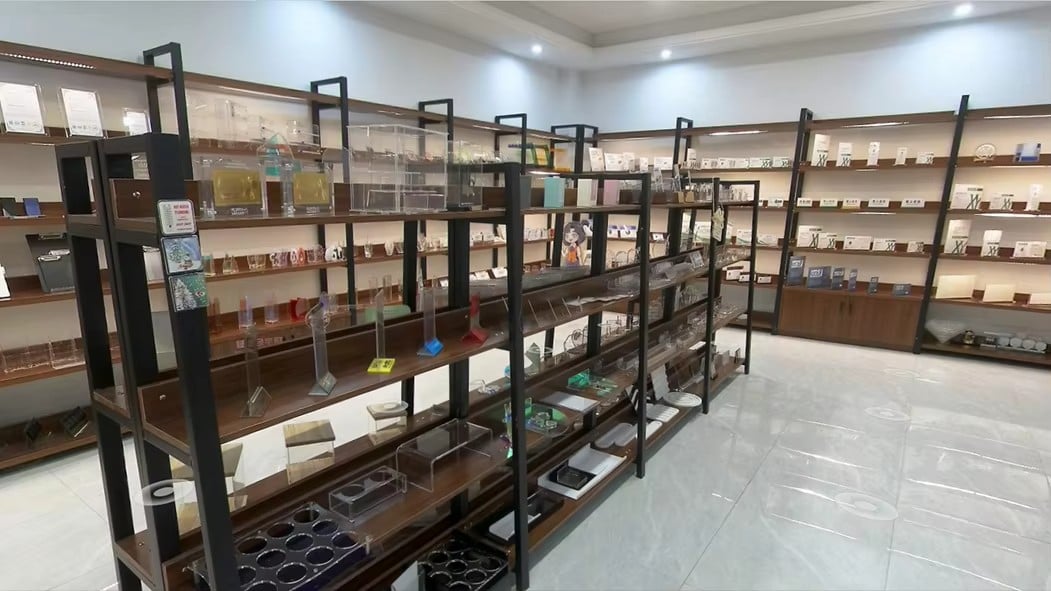
Picture frames made from acrylic provide better protection for artwork and have a modern look that beats regular glass any day. Tests show these frames can withstand impacts about seventeenfold what glass can handle according to those ASTM D256 standards we all hear about. That makes them great choices for households where kids run around, busy office spaces, or art galleries displaying valuable works. The fact that they won't break means there's no risk of injury from sharp edges if someone knocks into them accidentally. Plus, our precious memories stay safe inside despite occasional mishaps during moving or cleaning time at home.
Acrylic frames are naturally lightweight since they only weigh about half what glass does, making them much easier to hang and move around without needing those heavy duty wall mounts everyone hates. When it comes to keeping artwork looking good over time, the better quality acrylics actually stop around 99% of those damaging UV rays from getting through. This really helps prevent colors from fading out or changing when pictures sit near windows or under lights for months on end. Plus, these frames have surfaces that cut down on glare so details stay visible even in rooms with lots of sunlight coming in. And let's face it, nobody wants their precious photos distorted by poor quality glass either. The clearness of genuine acrylic just gives that authentic look that makes colors pop exactly how they were meant to be seen.
Acrylic is changing how we think about modern interior design because of its super slim look. The almost invisible borders and those frameless styles give artwork this floating appearance that really lets the piece stand out without any distractions. People love using acrylic frames for all sorts of things these days - wedding pictures, art prints from local galleries, even cherished family photos. One big plus? Dust just doesn't stick to it as much as traditional glass, and when cleaning is needed, a simple wipe down with a microfiber cloth and some gentle soap does the trick. Safety factors in too since there's no risk of broken glass, plus it protects against fading over time. For anyone looking to upgrade their display game while keeping things stylish and practical, acrylic seems to be where everyone is headed nowadays.
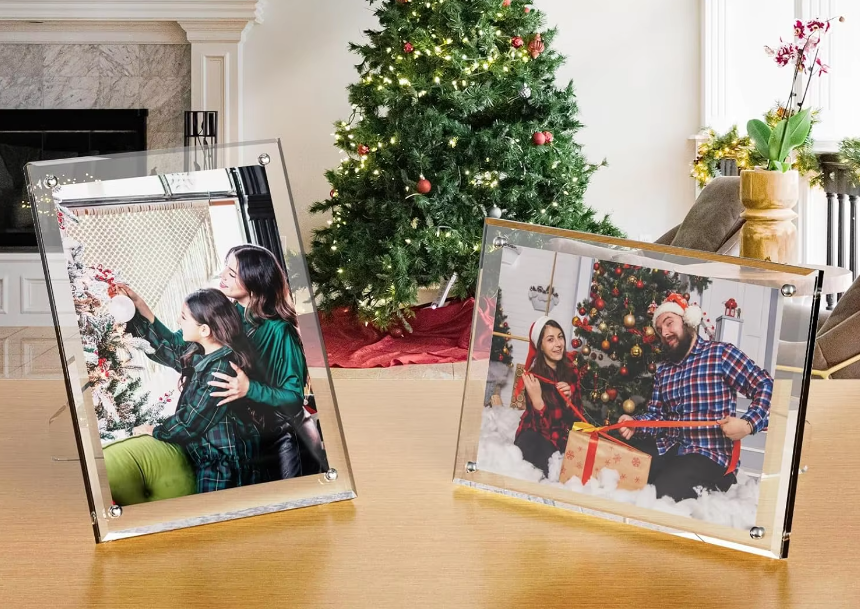
Picking out the right type of acrylic means finding that sweet spot between looking good and actually protecting what's underneath. Clear acrylic is pretty amazing stuff really because it looks almost like glass but weighs about half as much. That makes it great for displaying colorful art where every detail matters. Then there's the non-glare version which has a textured surface. What this does is scatter the light around so those annoying reflections disappear completely. Works wonders in places where sunlight streams through windows all day long or even regular offices with fluorescent lighting. For pieces that need extra love against fading over time, UV protective acrylic comes to rescue by stopping nearly all harmful rays from getting through. And if we're talking about top notch protection, Optium Museum Acrylic stands head and shoulders above the rest. Not only does it offer crystal clear visibility without distortion, but it filters away over 99 percent of UV light while keeping dust at bay thanks to its anti-static coating. Plus, it resists scratches better than regular acrylic would ever dream of doing. No wonder museums and serious collectors swear by it when preserving valuable works becomes absolutely critical.
| Acrylic Type | Clarity | UV Protection | Best Use Case |
|---|---|---|---|
| Clear | High | Minimal | Color-rich art, indoor displays |
| Non-Glare | Moderate | Moderate | Bright environments, offices |
| UV-Protective | High | 98% blocking | Sun-exposed originals, heirlooms |
| Optium Museum® | Ultra-High | 99%+ blocking | High-value art, public exhibitions |
The quality of material really counts when it comes to acrylics. For regular day to day stuff, extruded acrylic gives good transparency at a reasonable price. But if someone needs something for serious professional displays, cast acrylic is the way to go because it just looks better optically. There are also special impact resistant versions out there that hold up much better in places where kids run around or foot traffic is heavy. Studies from conservation experts indicate that artworks displayed behind UV filtering acrylic last roughly 20 years longer than those without protection. That's why museums and galleries always insist on getting materials with UV blocking properties and anti reflective coatings for their most valuable collections. The difference in preservation value alone makes these upgrades worth considering.
Choosing the correct acrylic frame matches how long the artwork will last with what it means emotionally. For posters that are usually just around for a while and don't carry much sentimental value, regular clear acrylic works fine. It's cheap enough, light on the wall, and good enough when something isn't going to stay up forever. Prints especially those that are limited editions need some extra care. Non-glare coatings help cut down on annoying reflections, and proper UV protection keeps colors from fading so fast in bright areas. Studies show this can stop about three quarters of color loss over time. When we talk about original artworks or precious family moments like wedding photos, these items deserve better treatment. Museum quality acrylic is worth investing in because it blocks almost all UV rays, stands up better against scratches, and holds its shape much longer than cheaper alternatives.
| Artwork Type | Permanence Needs | Sentiment Level | Recommended Acrylic Features |
|---|---|---|---|
| Posters | Low | Low | Basic clear, cost-effective |
| Prints | Medium | Medium | Non-glare + UV protection |
| Originals | High | High | Museum-grade UV blocking |
| Wedding Photos | High | High | Scratch-resistant UV blocking |
Thicker acrylic sheets over 3mm work best in places where there's lots of foot traffic or bright sunlight coming through big windows, especially near doorways. For stuff that gets moved around or replaced often, saving money makes total sense. But when it comes to those special family heirlooms or irreplaceable photos, spending extra on quality materials pays off in the long run. What matters most isn't how fancy the frame looks but whether it can actually protect what's inside from damage over time. Match the right level of protection to the item's value and location rather than going purely by appearance.
The standard 8x10 inch size is readily available at most stores, costs less money upfront, and replacements are easy to find if needed. This makes them great for everyday prints or display cases that change regularly. For those unique artworks or precious original pieces that don't fit standard dimensions, custom cut acrylic frames work wonders. They snug right into place without putting pressure on edges or letting things shift around as months go by. Custom made frames do cost more, probably somewhere between a third to half extra compared to standard options. But this extra expense pays off in how well they present the art and protect it from damage. Think about family heirlooms passed down through generations. Even the slightest misalignment might ruin their condition over time. Standard frames make sense when budget matters most and we need something versatile. Go with custom framing whenever precision matters, when stability is important, and when we want to preserve valuable works for decades ahead.
Acrylic frames that stand on their own work great on shelves, desks, mantles anywhere really when wall mounting just isn't an option. But these need solid flat surfaces and enough depth in the base so they don't tip over. Wall mounted versions free up floor space while creating those nice gallery looks people love. Plus they fit right into existing architectural lighting setups. When dealing with anything bigger than 24 inches though, make sure it's properly anchored to the wall. The Art Conservation Institute reported last year that about 23% of all display accidents happen because something wasn't installed correctly. That's why in busy areas like hallways or living rooms, wall mounting makes much more sense since it keeps things from getting bumped around accidentally. Both types can use UV filtering glass, but wall displays generally maintain better lighting control which means visitors see artwork properly and priceless items stay protected longer.
 Hot News
Copyright © 2026 by Wenzhou XYBP Cultural Supplies Co., Ltd. - Privacy policy
 EN
EN