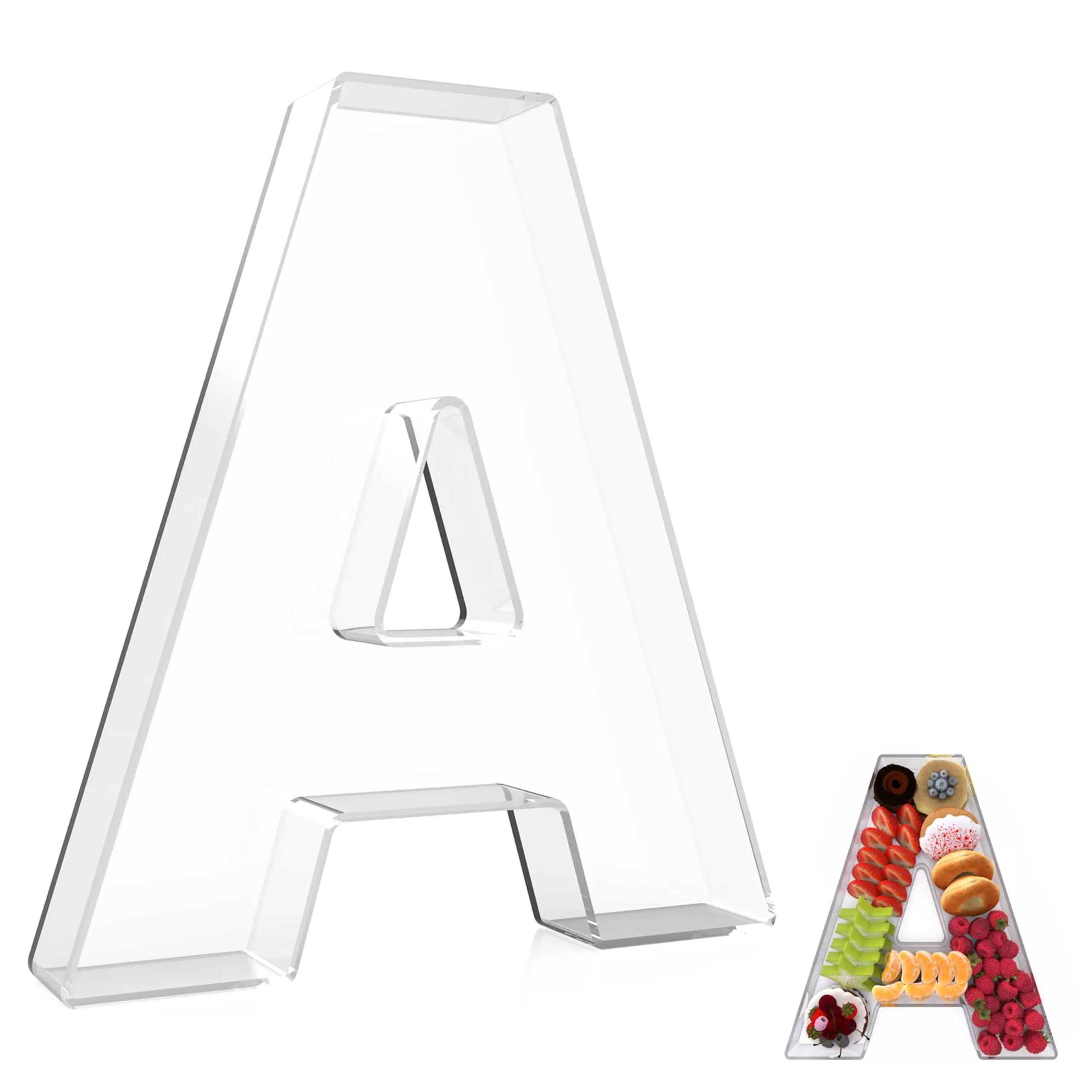
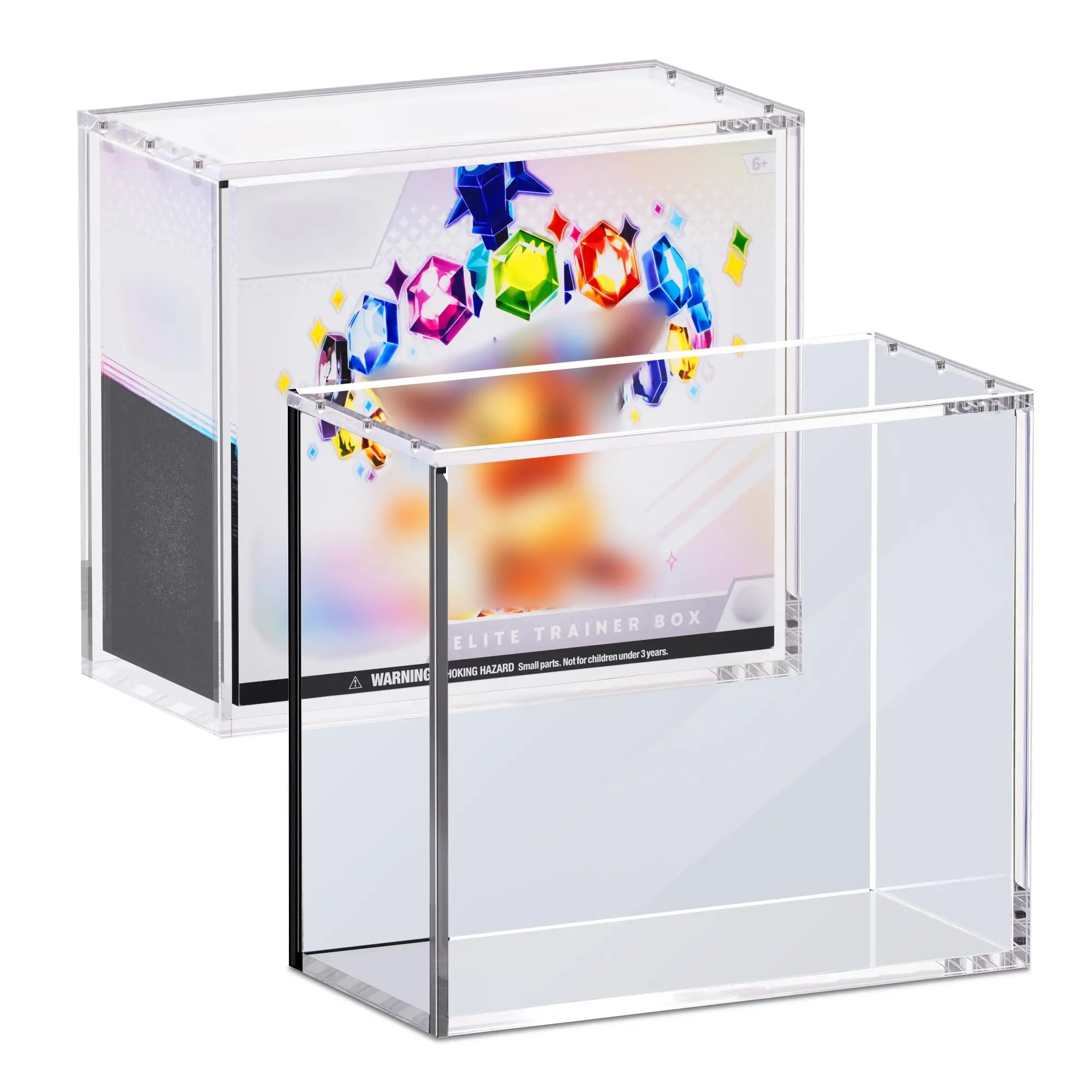
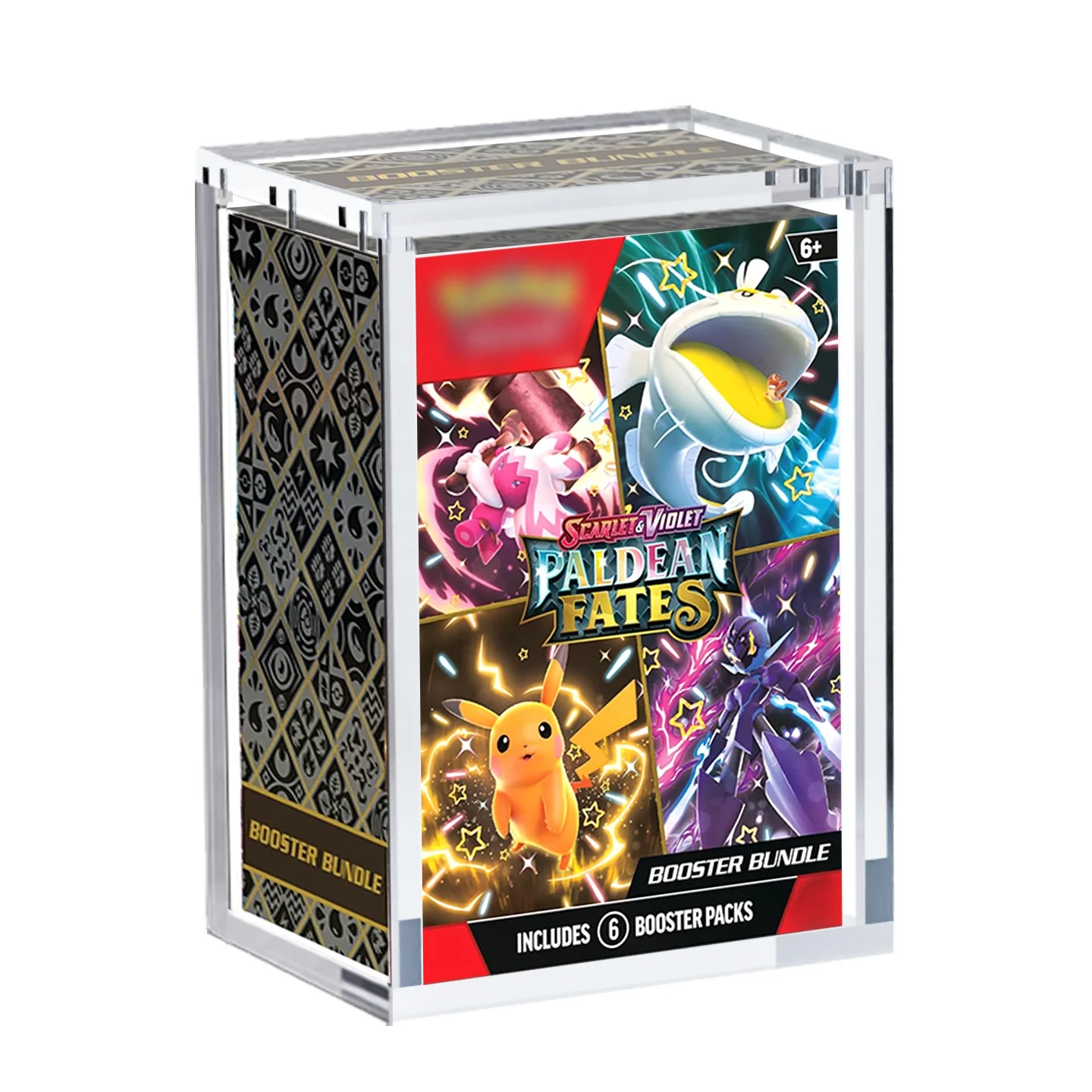
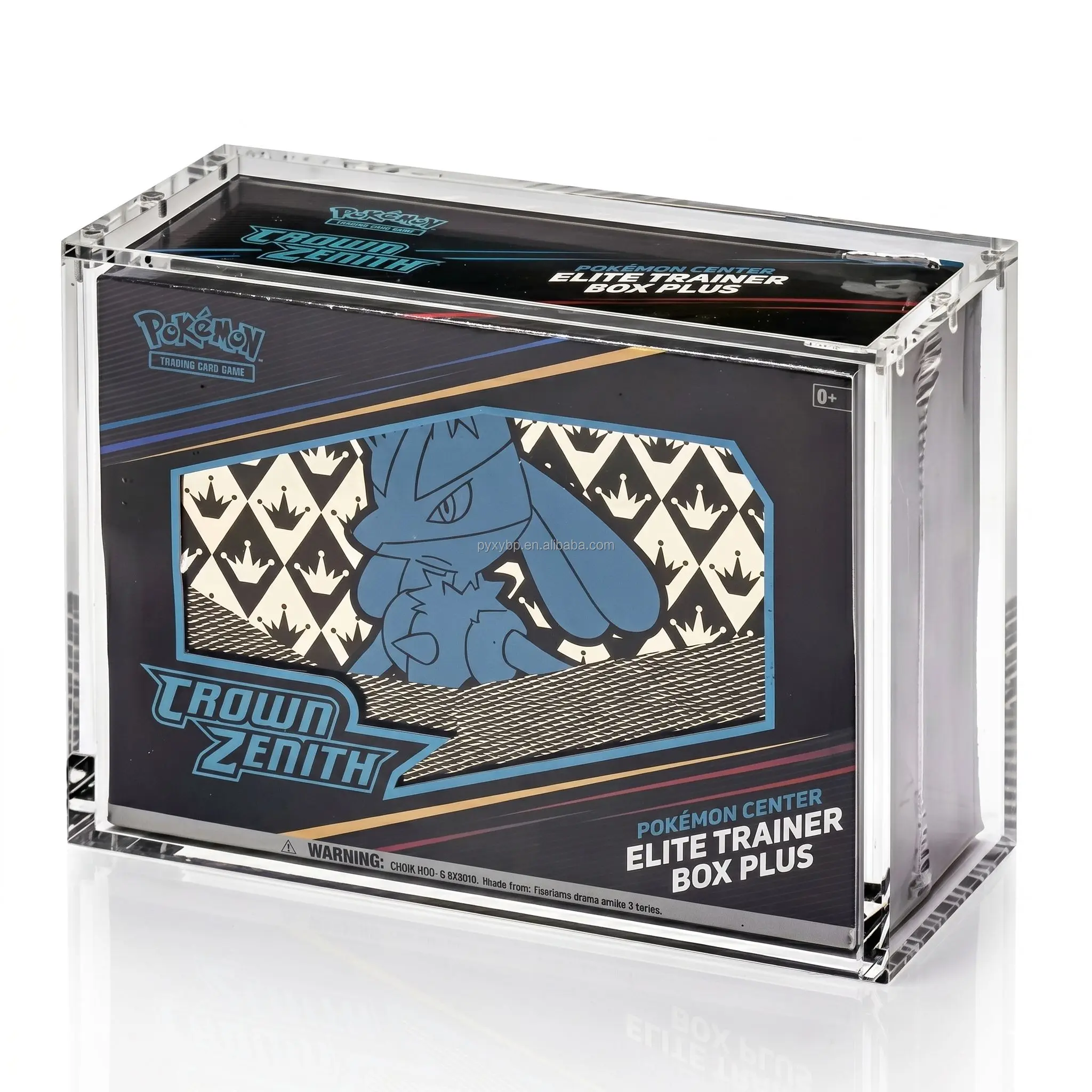
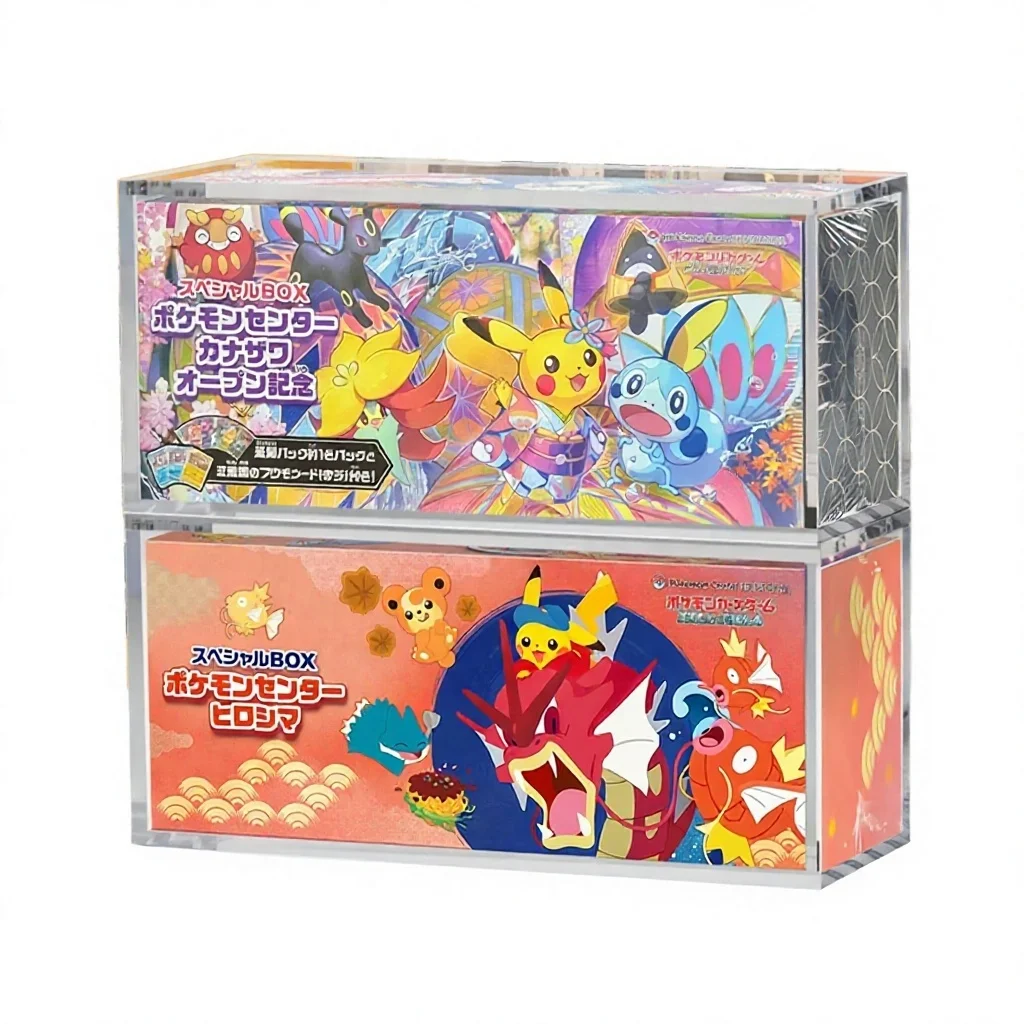
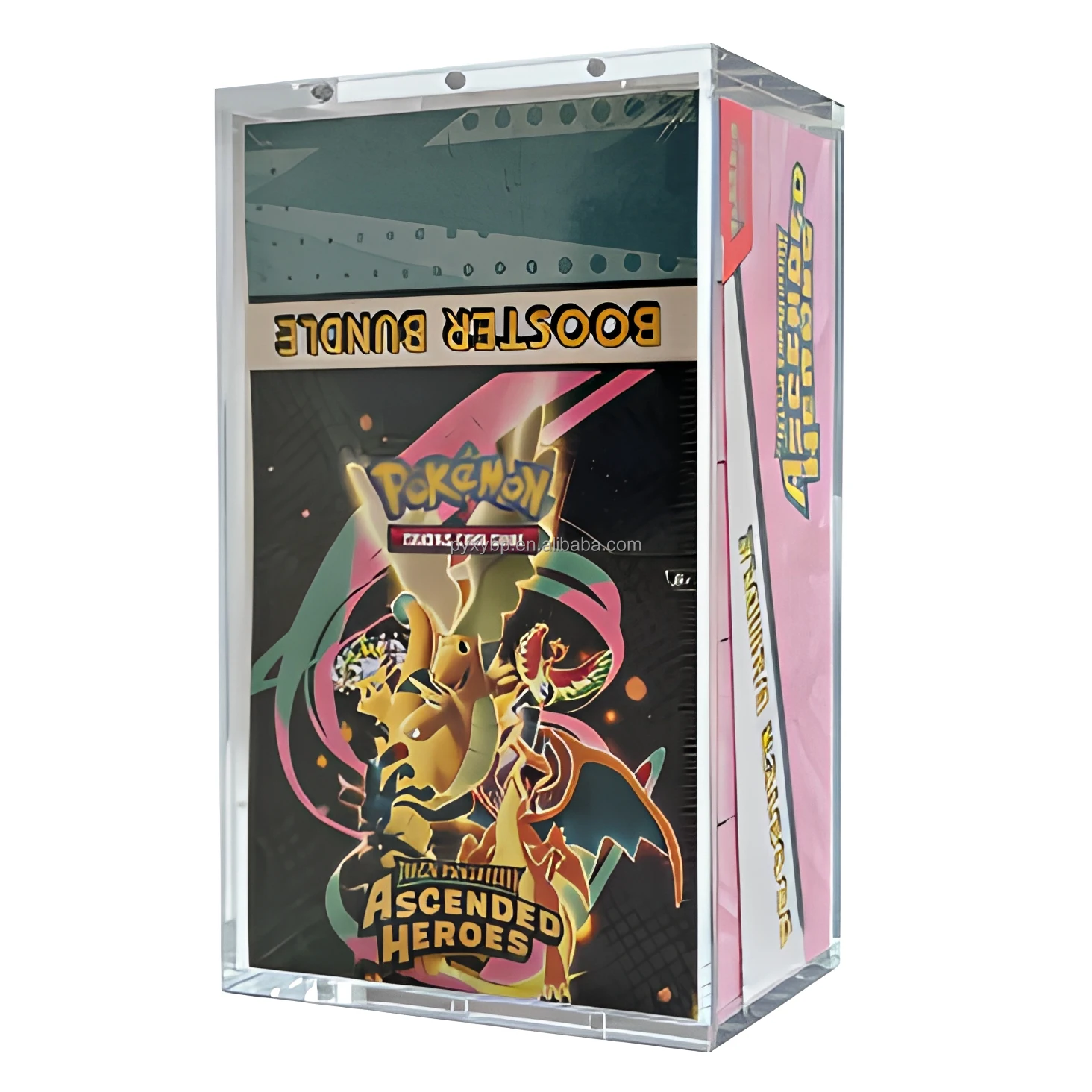
Custom plexiglass display cases serve as clear protective enclosures that let people show off their precious stuff without worrying about damage. These displays are constructed from acrylic material, which weighs less than regular glass and won't break easily when bumped into accidentally. The good thing about these cases is they come in all sorts of sizes and shapes depending on what needs protection inside. Some models even have shelves that can move around, locks to keep unwanted hands away, plus special coatings that block harmful UV rays. Museums love them for displaying old relics, antique shops find them great for showcasing collectibles, and families use them to safely store jewelry passed down through generations.
Acrylic is way tougher than glass when it comes to impacts actually about 17 times stronger and lets through around 92% of visible light so things stay really clear. The material is half the weight of glass too which makes installing it much easier and cuts down on what we pay for shipping. Industry studies looking at how materials hold up show that acrylic naturally resists UV damage preventing nearly all yellowing as time goes on and keeping everything looking good for years. Plus since it's flexible manufacturers can heat form it into all sorts of curves and angles making it perfect for those fancy branded displays where companies want something different from standard rectangular shapes.
The adaptability of acrylic enables tailored solutions, such as wall-mounted cases for compact spaces or climate-controlled enclosures for sensitive historical items.
First thing to do is figure out what the main purpose of the display should be. Are we talking about keeping collectibles safe from dust buildup? Showcasing expensive items in stores? Or maybe preserving delicate historical pieces? Different situations need different solutions. For example, UV resistant acrylic makes sense if the display will sit near windows where sunlight hits it all day long. And don't forget those lockable hinges for anything worth serious money. According to some research published last year in the Exhibit Design Journal, around four out of five retailers really care about being able to see items from all angles when they order custom plexiglass cases. Get measurements done early on for both the actual items and where they'll go. Leave about 10-15% extra space just in case someone wants to add something later. Looking through a good display case design manual helps match materials with what needs to be protected and secured properly.
Getting the measurements right really makes a difference. When dealing with oddly shaped objects, laser tools are invaluable. Don't forget about sightlines either those angled edges or stepped platforms can actually make people stop and look longer. Wall mounted displays typically work best with 6mm acrylic since it holds up well without being too heavy. Floor standing pieces need something sturdier though, so going with 12mm thickness tends to be safer bet. And here's something folks often overlook checking clearances around doors, shelves, and where lights might be installed. A little extra space goes a long way toward preventing headaches later on when everything needs to function properly and viewers shouldn't bump into anything while looking at the display.
Working closely with fabricators right from the CAD modeling stage makes it possible to experiment with different ergonomic designs and check how well the structure holds up. Getting prototypes made early on catches problems we might miss otherwise, such as unwanted glare spots or joints that just won't stay put when stress is applied. When it comes to finishes, there's really no substitute for being specific about what works best for each application. Jewelry pieces typically need mirror polished surfaces, whereas museum displays often benefit from matte finishes that reduce reflections. Assembly techniques matter too. Solvent welding gives those clean lines and watertight connections that are so important for certain applications, but sometimes mechanical fasteners make more sense if we want something that can be taken apart later for maintenance or adjustments.
When designing a custom plexiglass display case, material and finish selections directly impact durability, aesthetics, and functionality. Below, we explore critical choices to align your display with its intended environment and use case.
Cast acrylic delivers superior optical clarity and scratch resistance due to its slower manufacturing process, making it ideal for high-end retail or museum installations. Extruded acrylic is more affordable but has slight thickness variations and may warp under prolonged UV exposure.
| Property | Cast Acrylic | Extruded Acrylic |
|---|---|---|
| Optical Clarity | Premium | Good |
| Impact Resistance | High | Moderate |
| Cost | 20-30% higher | Budget-friendly |
Industry experts recommend cast acrylic for permanent installations where clarity and longevity are paramount.
Thicker acrylic (6-12mm) provides enhanced structural support for heavy objects but may limit visibility in multi-tiered displays. Thinner panels (3-5mm) work well for lightweight items like jewelry, offering a sleek profile without sacrificing protection.
Opt for UV-resistant acrylic to prevent yellowing a key feature for displays near windows or under bright lighting. Premium grades block up to 98% of UV rays, protecting sensitive items from fading over time.
Transparent acrylic maximizes visibility, while tinted options (e.g., bronze, gray) reduce glare in brightly lit environments. Opaque panels add contrast for backlit signage or minimalist aesthetic designs.
Glossy finishes enhance light reflection for vibrant product showcases, while matte surfaces resist fingerprints in high-touch areas. Textured options like frosted or prismatic acrylic diffuse light evenly, ideal for artistic presentations.
Anti-reflective coatings reduce glare by up to 80%, improving viewability in glass-free displays. When paired with scratch-resistant finishes, they maintain clarity in interactive or public-facing exhibits.
When it comes to custom plexiglass cases, there are plenty of options for security features. Many come equipped with strong hinges that won't bend easily, locks that resist tampering attempts, and sometimes even magnetic closures that click shut quietly. Retail stores have some serious problems with stolen goods too. According to the National Retail Federation report from last year, nearly three quarters of all missing merchandise actually gets taken by employees working inside the store. That's why retailers need those hidden locking mechanisms so nobody notices them looking around. The good news is acrylic material itself isn't heavy at all which makes adding all these security parts much easier while still keeping everything visible through the clear surface.
Low-voltage LED strips or adjustable spotlights highlight textures and colors while generating minimal heat. Choose from recessed ceiling mounts, wall brackets, or freestanding bases based on spatial constraints. Backlit cases improve product visibility by 40% in dimly lit retail environments.
Micro-ventilation channels or filtered airflow systems prevent condensation and dust buildup common challenges in humid climates. Anti-static acrylic coatings reduce particulate adhesion by 90%, preserving clarity for electronics or archival documents.
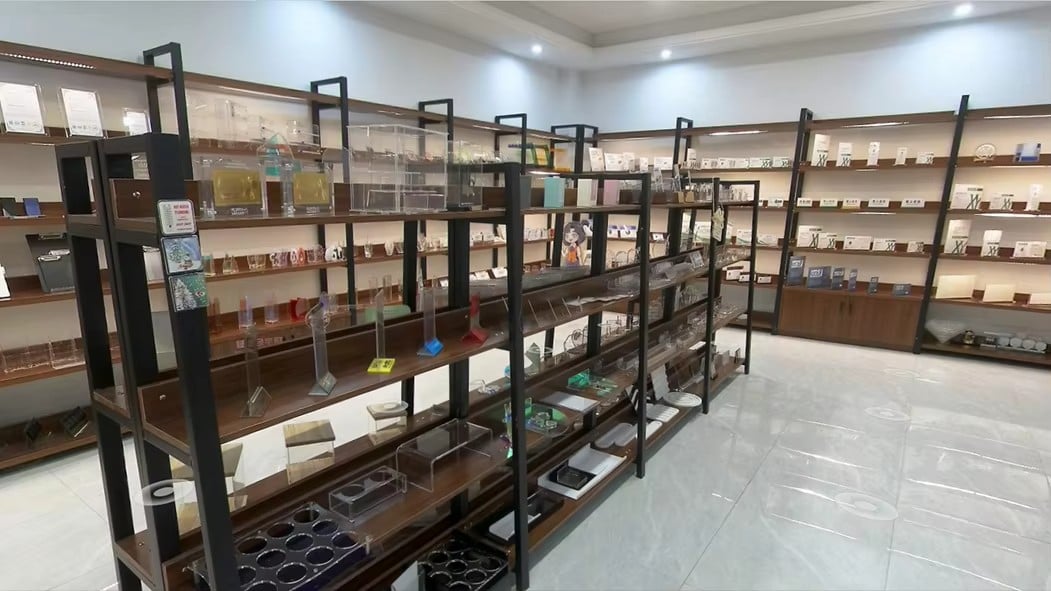
Partnering with experienced fabricators ensures your custom plexiglass display meets exact functional and aesthetic standards. The process begins with a design consultation to define size, access features, and materials. Leading manufacturers use CNC machinery and laser-cutting tools to achieve tolerances within ±0.5 mm, as detailed in this step-by-step fabrication guide.
Prototyping bridges digital designs with real-world performance. Clients review 3D models or scaled mockups to evaluate proportions, lighting integration, and object placement. Iterative prototyping reduces post-production revisions by 68% (Ponemon), allowing adjustments to edge finishes or alignment before final approval.
What makes custom plexiglass display cases preferable over traditional glass cases?
Custom plexiglass display cases are lightweight, shatter-resistant, and allow for more design versatility. They are also better at transmitting light and providing UV protection, making them ideal for a wide range of environments.
Can custom plexiglass display cases be locked?
Yes, many plexiglass cases come with secure locking mechanisms, including hidden locks and tamper-resistant latches, making them suitable for displaying valuable or sensitive items.
Are there options for different acrylic color finishes?
Yes, you can choose from transparent, tinted, or opaque finishes to suit specific aesthetic or functional requirements.
 Hot News
Copyright © 2026 by Wenzhou XYBP Cultural Supplies Co., Ltd. - Privacy policy
 EN
EN