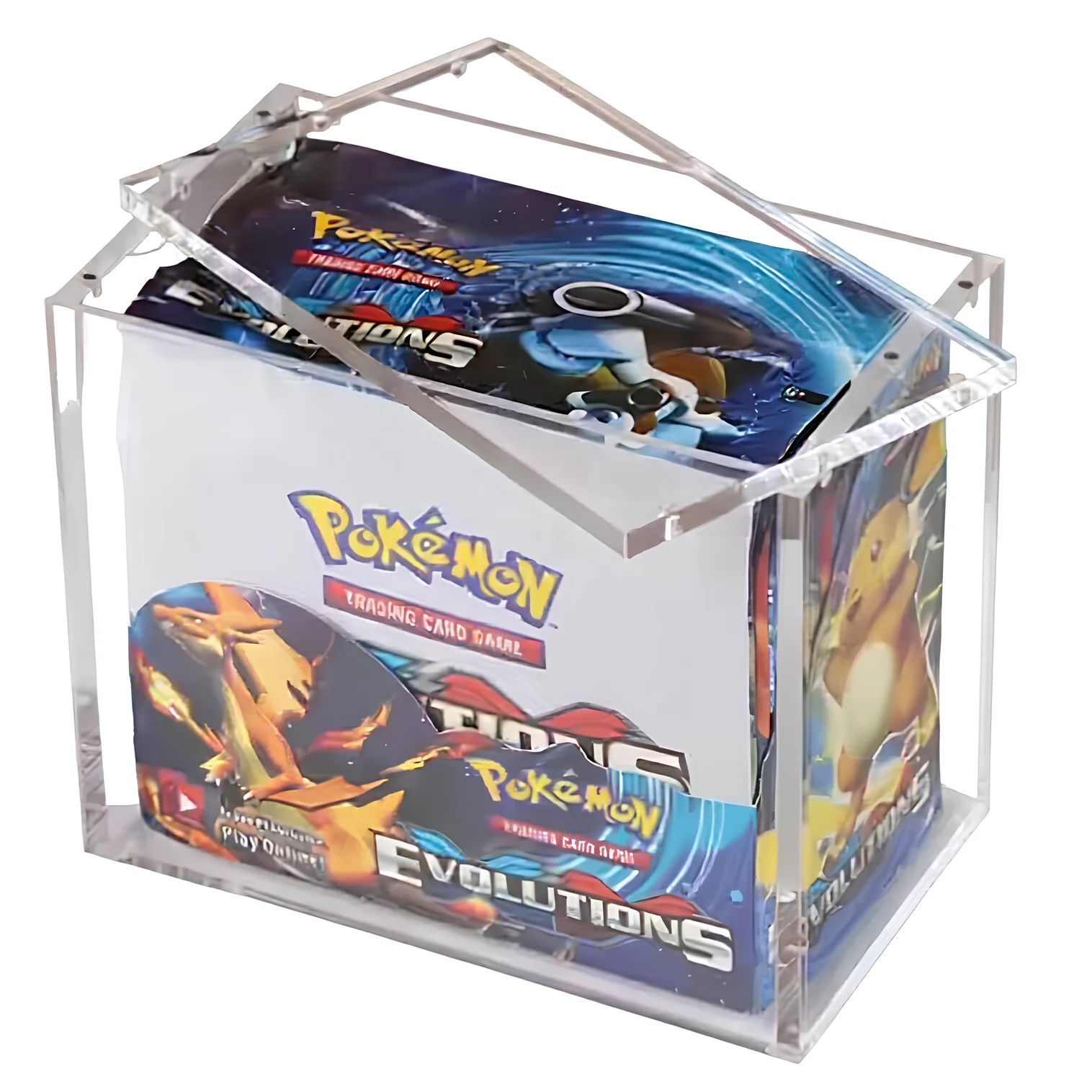
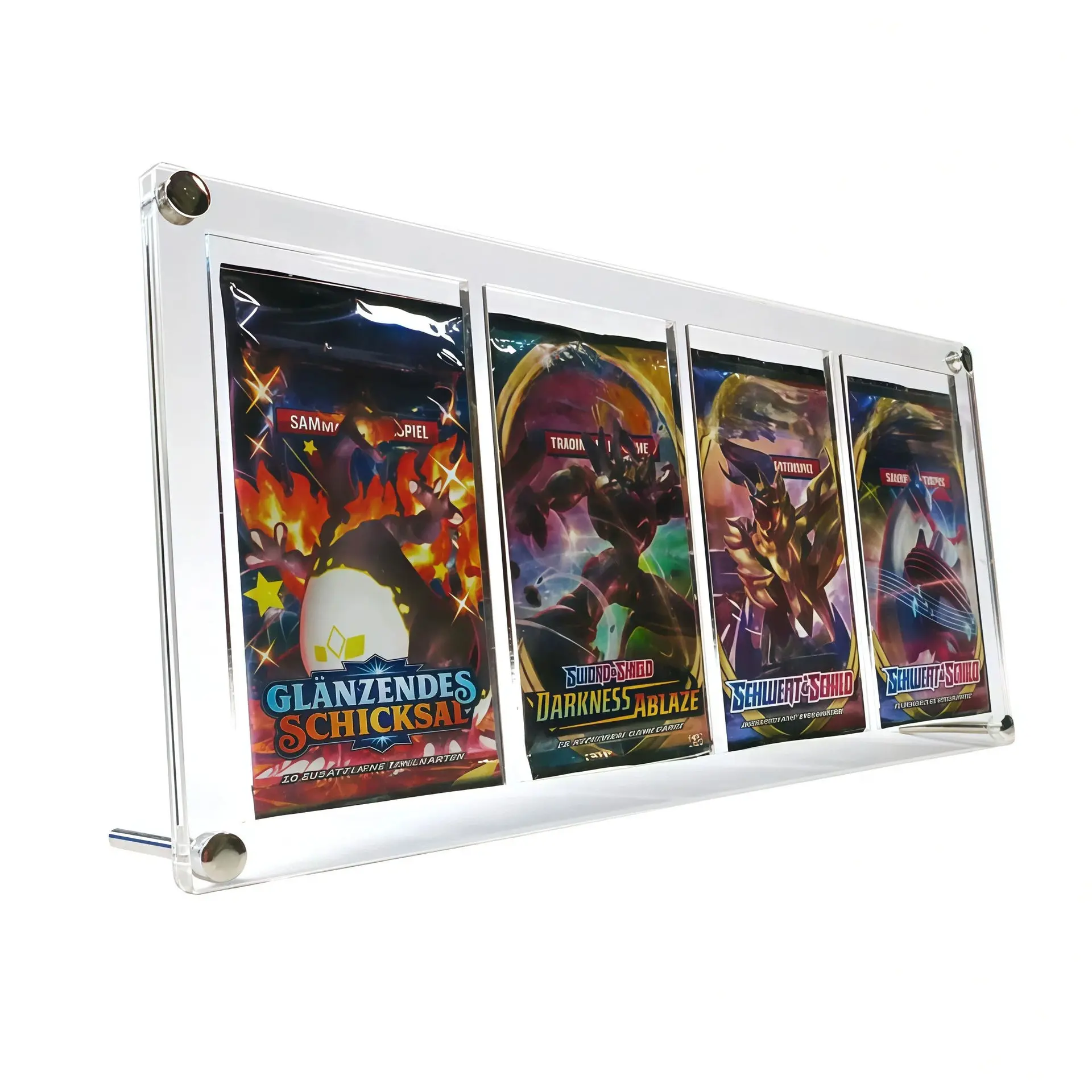
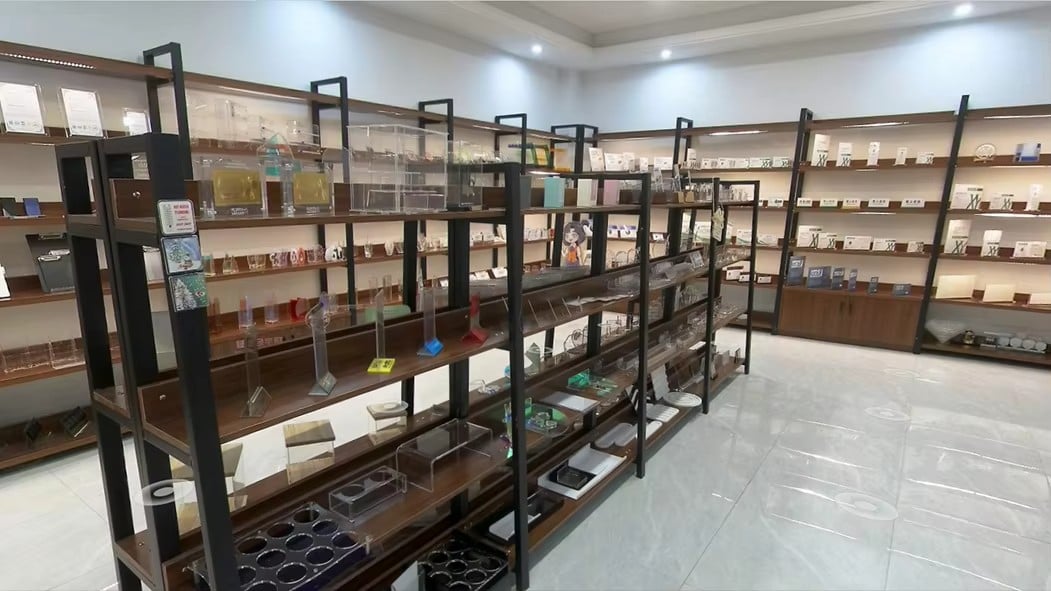
Clear acrylic display boxes provide superior optical clarity with up to 92% light transmission—20% higher than standard soda-lime glass. Unlike glass, which develops microscopic surface flaws over time, acrylic maintains distortion-free transparency even after prolonged UV exposure.
The material’s refractive index (1.49 vs. glass’s 1.52) reduces surface reflections by 18%, enabling crisper product details in brightly lit environments. This clarity advantage explains why 84% of luxury retailers now use acrylic displays for high-value merchandise according to visual merchandising analyses.
With 17x greater impact resistance than glass at identical thicknesses, acrylic achieves museum-grade presentation while allowing 93% visible light penetration. This combination prevents the "frosted glass" effect common in aged displays, maintaining premium aesthetics through 50,000+ hour light exposure cycles.
Clear acrylic display boxes deliver unmatched structural resilience for high-traffic environments.
When subjected to extreme force, acrylic cracks locally without dangerous fragmentation—a critical safety advantage verified through ANSI/ISEA drop tests. Museums like the Smithsonian report 92% fewer display replacements after switching to acrylic cases.
Clear acrylic display boxes deliver crucial safety improvements for busy public spaces while addressing practical installation challenges. Unlike glass alternatives that pose ongoing risks, acrylic's unique material properties create safer, more manageable display solutions.
The molecular structure of acrylic makes it 17x more impact-resistant than standard glass. When subjected to accidental impacts in crowded museums or retail stores, these display cases flex rather than fracture—a critical advantage that prevents laceration hazards from sharp debris.
Venues that get lots of foot traffic find acrylic materials really work well because they offer both safety and clear visibility. Take the Natural History Museum in London as an example they saw around 60 something percent fewer problems with displays since they started using acrylic cases for those hands on exhibits. For retail stores too, switching to acrylic displays makes life much simpler when it comes to following workplace safety rules for public areas. The material doesn't splinter so there's less risk of injury, which saves time and headaches during inspections. Most store managers I've talked to mention this as a big plus when choosing display solutions for busy shopping environments.
Weighing 50% less than glass equivalents, acrylic display boxes reduce installer fatigue and drop risks during setup. This weight advantage enables single-person installation of large display cases in mall pop-up stores and traveling exhibitions, while maintaining the 92.5% light transmission quality that preserves visual appeal.
Acrylic display boxes stay clear and see-through way longer than glass when exposed to UV light. Research indicates they show less than 2% yellowing even after sitting in simulated sunlight for 15 whole years. What makes acrylic different from polycarbonate or PET materials? Its molecular makeup naturally fights off photo-oxidation damage. This means no brittle cracks or cloudy spots developing over time like we often see with other plastics left unprotected. When manufacturers apply special UV absorbing coatings to the surface, degradation slows down by around 63% compared to regular acrylic according to recent tests. These features make acrylic displays particularly well suited for areas where they'll get direct sunlight, such as store windows or exhibition spaces outdoors.
When it comes to display boxes, clear acrylic actually saves money when compared against traditional glass options. The material itself is about half the weight of glass, which means companies spend roughly 40 percent less on shipping costs for big setups. Acrylic also stands out because it won't shatter easily. Industry data shows that breakage happens less than 5 times out of 100 cases with acrylic, whereas glass breaks somewhere between 12 and 18 times per 100. Maintenance becomes much easier too. Scratches on acrylic can usually be fixed at home with just a simple buffing tool, but fixing damaged glass typically needs someone who knows what they're doing. Looking at things from a budget standpoint over time, most businesses find that switching to acrylic cuts down their overall spending by around 30 to 50 percent within ten years.
Luxury fashion houses and high end retailers are turning to clear acrylic display cases these days because they look just like glass but without that annoying greenish cast that regular glass often has. What makes acrylic so special? Well, it actually lets through about 92 percent of visible light compared to glass which only manages around 84%. That means expensive goods really pop when placed under those bright gallery lights. Some versions of acrylic come with UV filters built right in too, which stops fabrics from fading over time and keeps valuable artworks looking fresh. This protection against deterioration is especially important for stores showcasing delicate materials like silk or vintage pieces where preservation matters as much as presentation.
These days museums, airports, and big brand stores are going crazy about acrylic materials because they meet safety standards and let designers get creative. Retailers installed acrylic stuff in more than two thirds of their new shops last year according to recent reports. Why? Because acrylic bends easily into cool shapes and works great with built-in lights that catch customers' eyes. Looking ahead, experts think the market for these clear plastic displays will keep growing at around 7 percent per year until 2030. That's three times faster than regular glass products, which means businesses see real value in switching from traditional materials.
 Hot News
Copyright © 2026 by Wenzhou XYBP Cultural Supplies Co., Ltd. - Privacy policy
 EN
EN