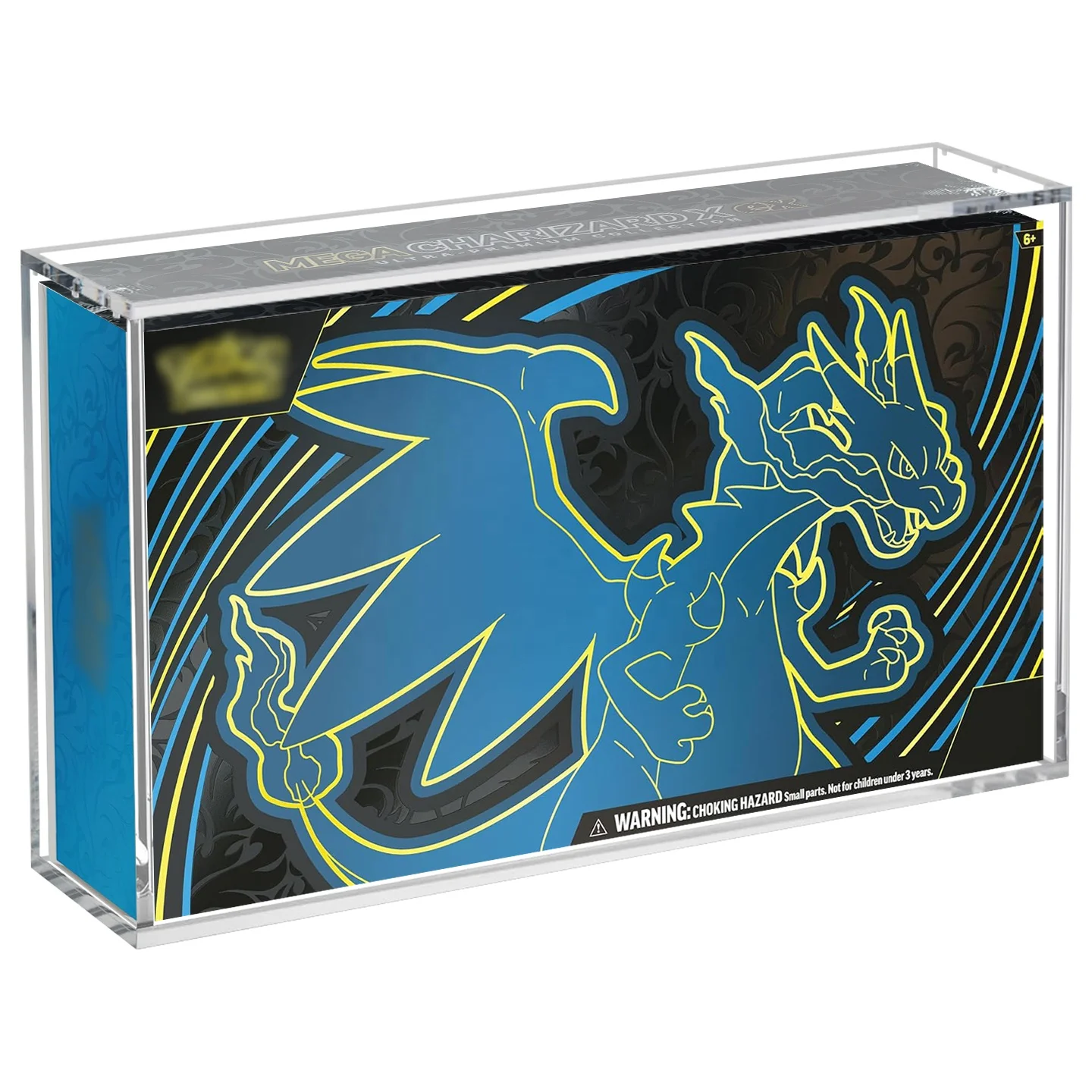
There is something incredibly clean and modern about a picture that appears to float on the wall. That is the main reason people are drawn to acrylic frameless picture frames. Without a bulky wooden or metal border, the focus stays entirely on the image or artwork inside. For a ceramics studio or any space where you want to display tile samples, decorative plates, or artistic photography of your work, this minimalist approach makes a lot of sense. The clear acrylic panel does not compete with the piece it holds. It simply disappears, leaving the viewer with a pure, uninterrupted view. This style works especially well in contemporary galleries, trade show booths, and even home interiors where every piece of decor is chosen with intention.
Before you order a frame, you need to think about the scale of what you are displaying. A large ceramic tile artwork that measures 24 by 36 inches needs a frame that can support its weight without bowing. Thicker acrylic, perhaps 4 to 6 millimeters, provides the necessary rigidity for bigger pieces. Smaller items like a delicate porcelain painting or a 5 by 7 inch photo of a finished dinnerware set can use thinner sheets without any problem. The size of the frame should match the artwork exactly if you want the edges to be invisible, or slightly larger if you prefer a floating border effect. Getting these dimensions right is the first step to a polished final look.
Most acrylic frameless picture frames come with standoffs, which are small metal cylinders that screw into the wall and hold the acrylic panel away from the surface. This creates a subtle shadow gap that adds depth and makes the artwork appear to hover. Standoffs are available in different finishes like brushed nickel or matte black, so you can match them to the hardware already in your showroom. Another option is using a magnetic system, where magnets clamp the artwork between two panels. This is especially handy if you plan to switch out the content regularly, such as updating a display of new ceramic glaze samples or seasonal product photos. For lightweight pieces, adhesive mounting strips can work on smooth surfaces, but they are less reliable for heavier tile samples.
Putting the artwork into the frame sounds simple, but a few tricks make a big difference. First, clean both sides of the acrylic sheet thoroughly before you start. Any dust or fingerprint trapped inside will be visible and annoying. Wear cotton gloves if possible. Lay the backing piece flat, place your photo or ceramic tile sample face down, and then carefully align the acrylic front panel on top. If you are using standoffs, you will insert the screws through the aligned holes. If the frame holds a ceramic tile, make sure the tile surface is protected from scratching the acrylic by using a thin felt layer or by choosing a frame with a built in spacer. Taking your time here ensures a professional result.
Acrylic has a reputation for being easy to scratch, but with the right care it stays crystal clear for years. Never use glass cleaner that contains ammonia, as it will cloud the surface. A microfiber cloth slightly dampened with water is usually all you need. For stubborn smudges, a cleaner specifically formulated for acrylic is a safe bet. In a ceramics showroom where there might be clay dust in the air, regular gentle dusting prevents buildup. Treat the frame like you would treat a high quality piece of display furniture, and it will continue to make your products look their best.
While these frames are perfect for photographs, the possibilities do not stop there. In a ceramics business, you might use them to display raw clay texture swatches, color charts for glazes, or even a pressed botanical arrangement that inspired a dinnerware pattern. An unframed acrylic panel can also be used to sandwich a piece of fabric with a bold print, turning it into wall art. Some designers use them to present ceramic coasters or small trivets as sculptural wall displays. The frameless design gives you flexibility that traditional frames simply cannot match. It invites you to think of the wall as a canvas and the acrylic as an invisible protective layer.
 Hot News
Copyright © 2026 by Wenzhou XYBP Cultural Supplies Co., Ltd. - Privacy policy
 EN
EN