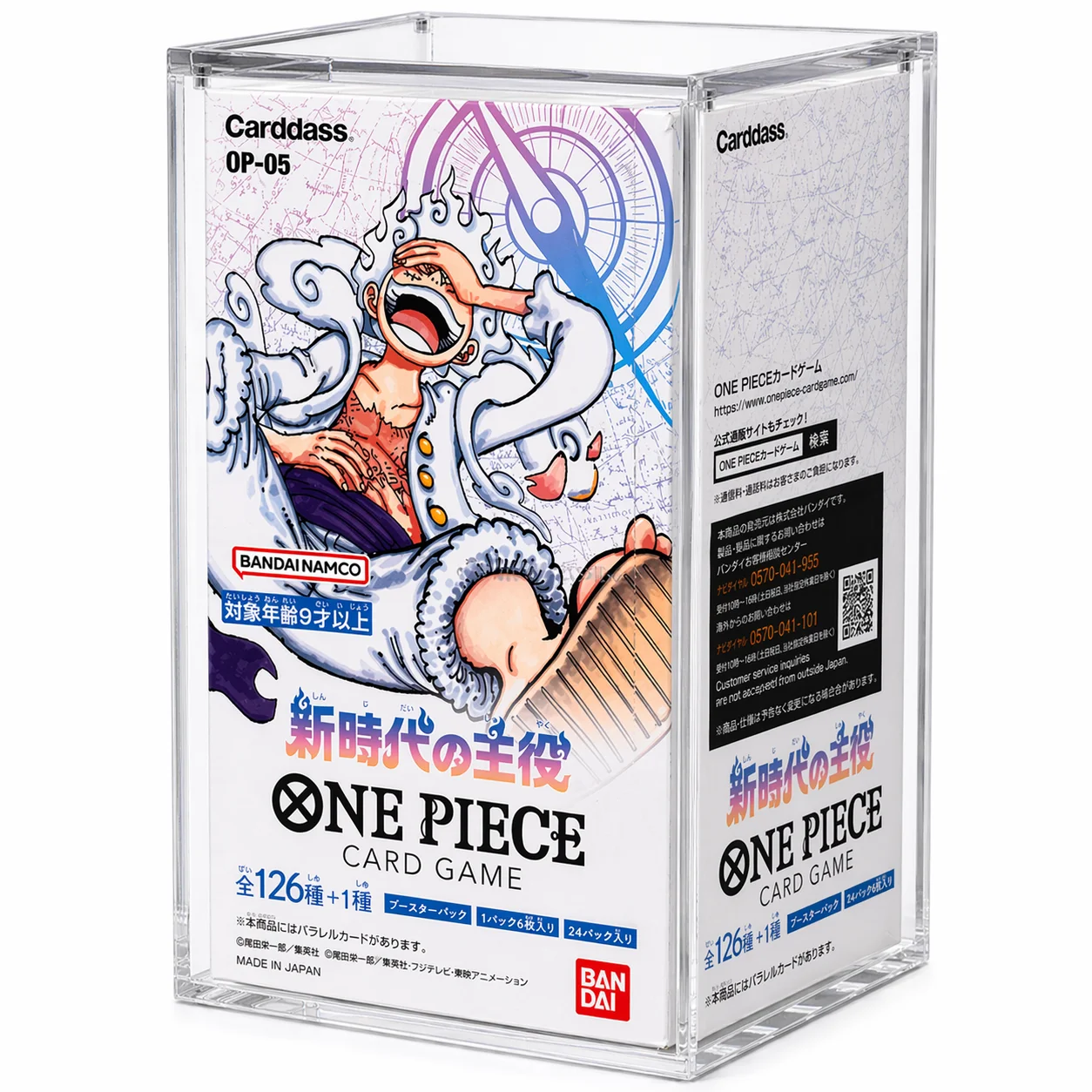
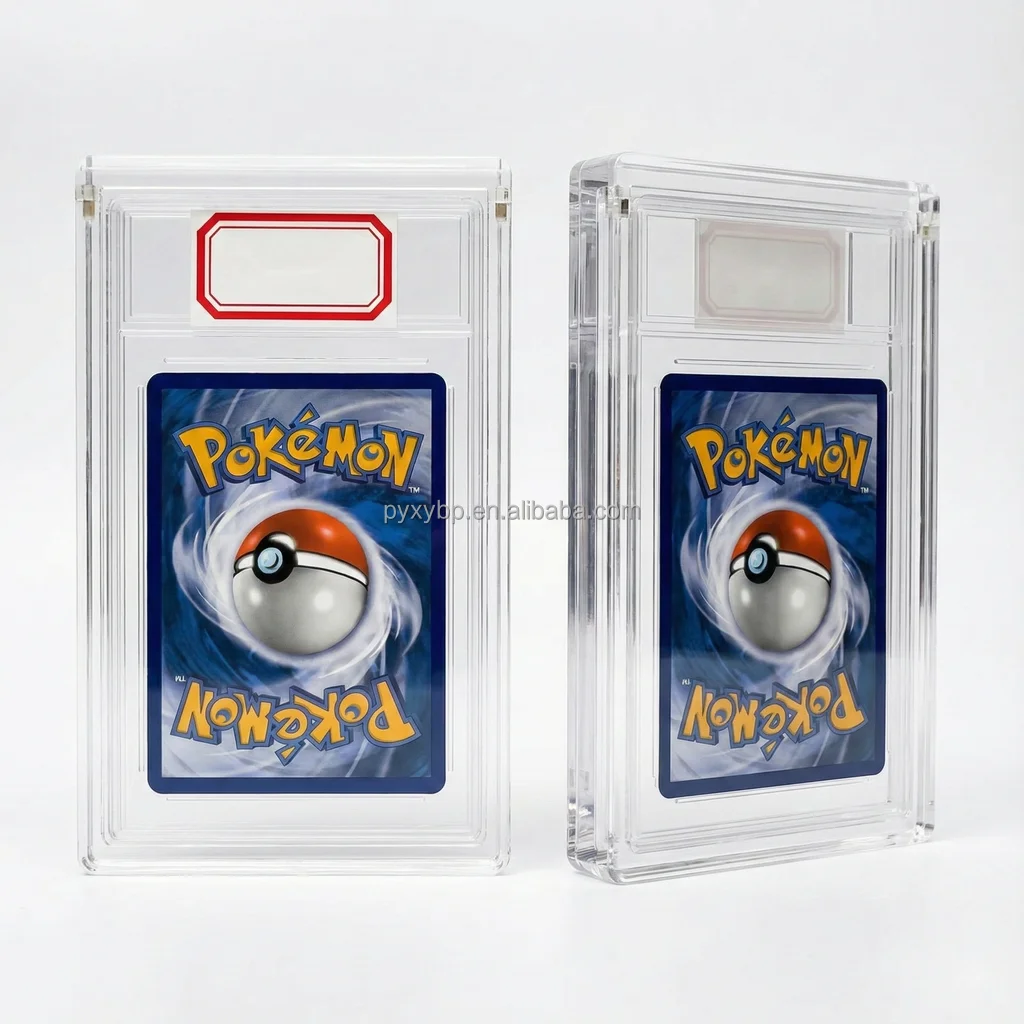
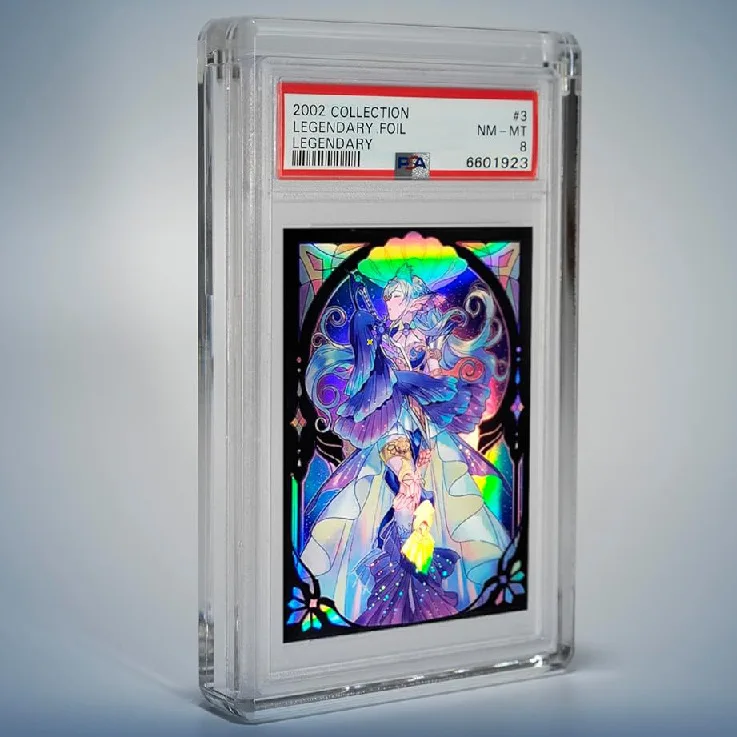
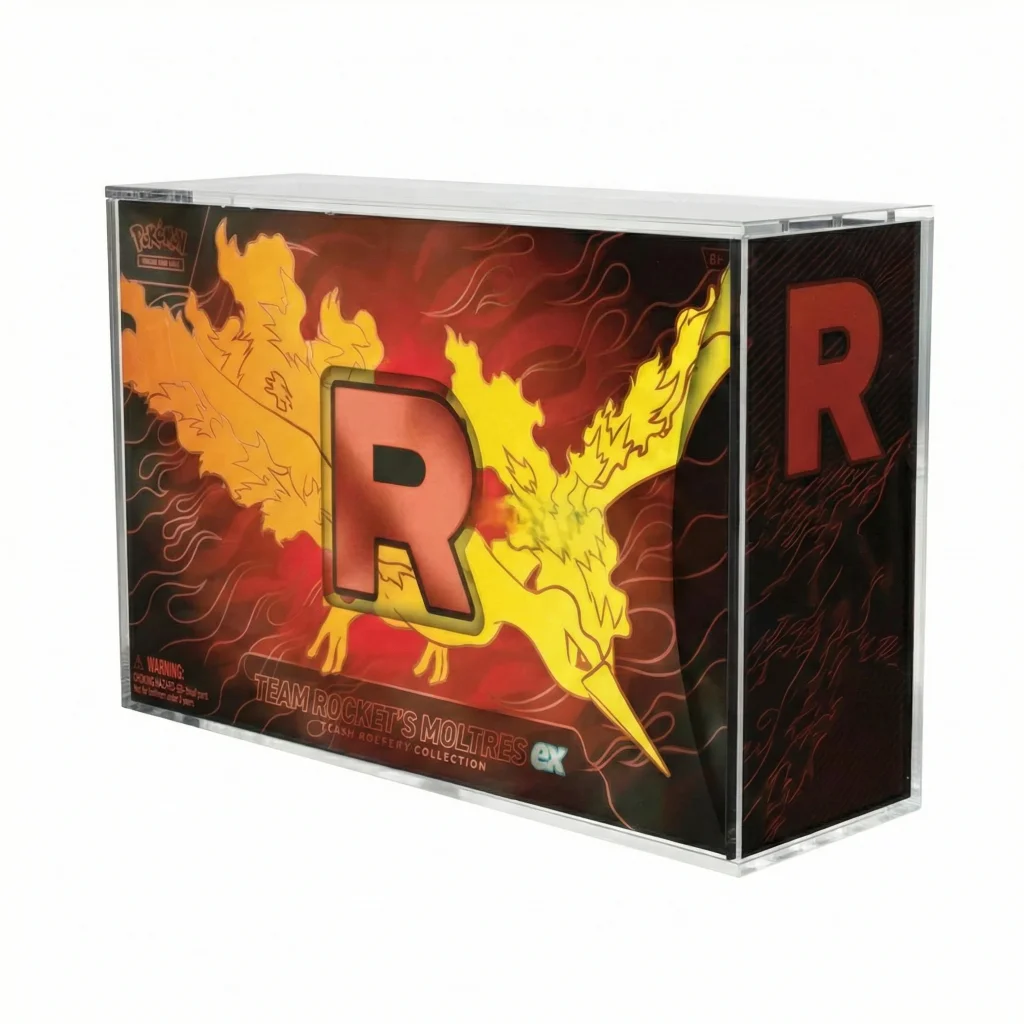
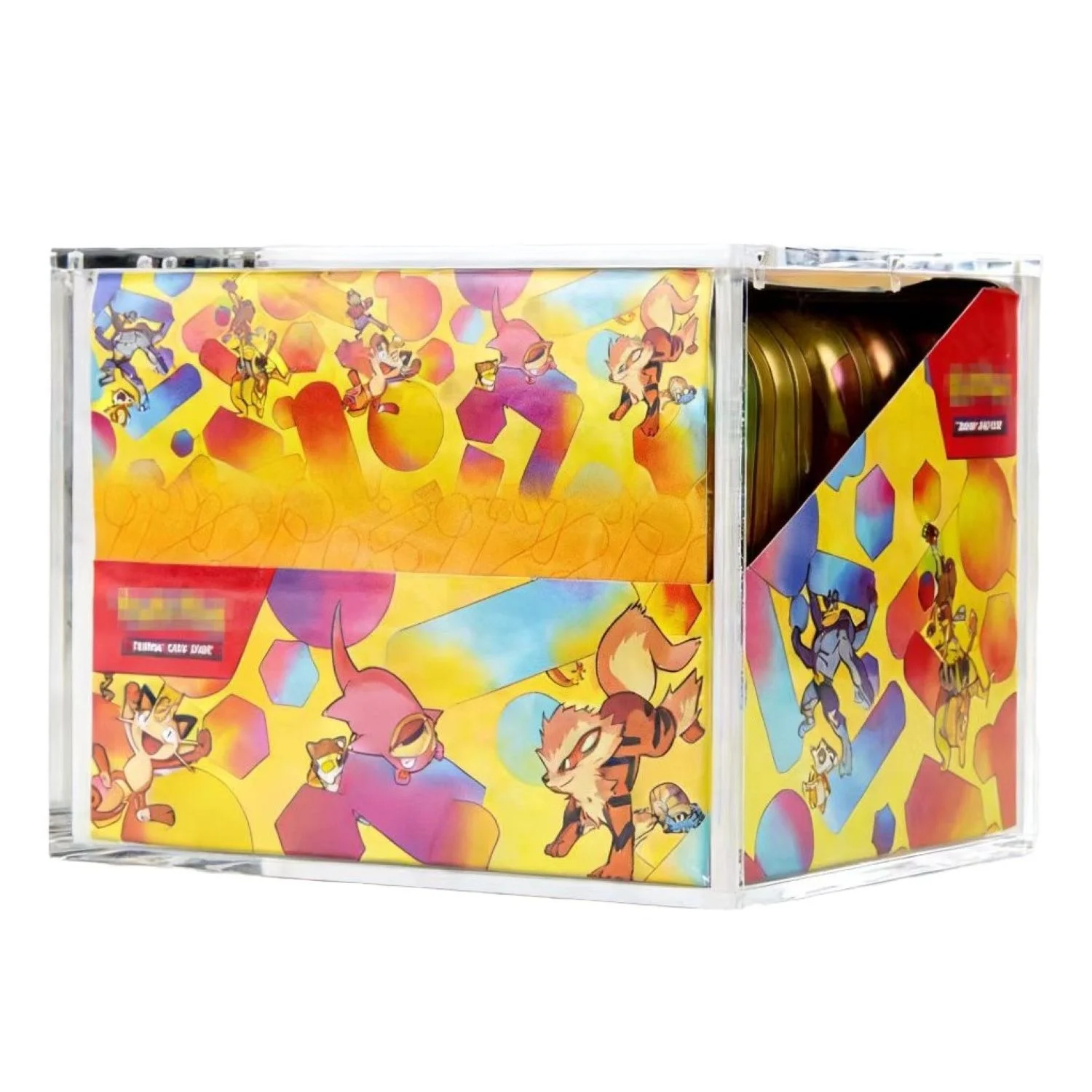
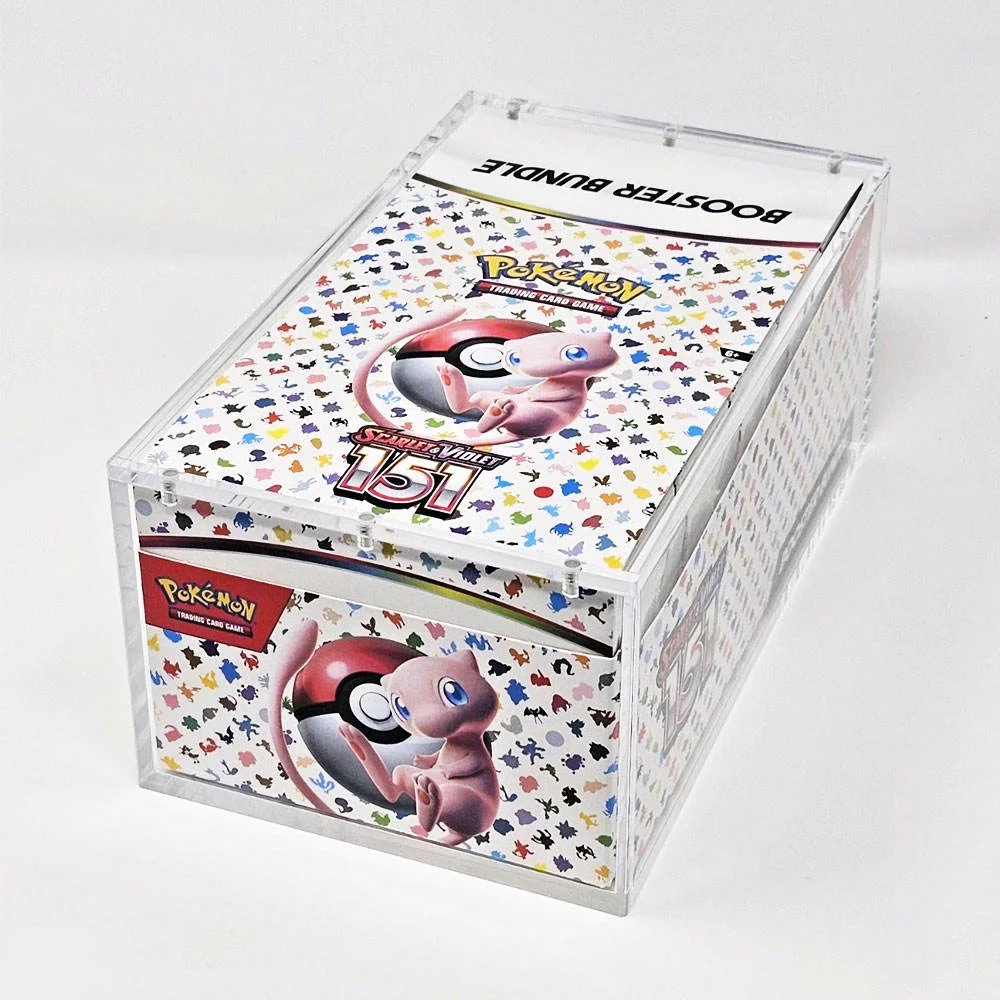
Perspex boxes custom made use polymethyl methacrylate or PMMA as their main material. This stuff actually stands up better to impacts than regular glass does, with tests showing around 89% more resistance.Standard glass tends to break easily while many plastics scratch pretty quickly. But PMMA keeps its shape and strength even when exposed to extreme conditions. It can handle temperatures anywhere between minus 40 degrees Celsius all the way up to 80 degrees Celsius without losing its structural integrity. Because of this wide temperature tolerance, these boxes work well whether they're placed inside buildings or out in the elements where weather changes constantly.
Premium perspex blocks 99.9% of UV radiation without yellowing or clouding—unlike polycarbonate, which typically degrades after 2–3 years of sun exposure (Acrylics Research Study 2024). This makes custom perspex boxes ideal for window displays, outdoor exhibitions, and archival uses requiring long-term color and clarity stability.
Perspex boxes let through around 92% of light according to the Plastics Industry Report from 2023, giving them almost glass-like clarity so products look clear without any distortions. Acrylic has this really stable chemical makeup that stops surfaces getting cloudy or yellowed as time goes on, maintaining that crystal clear look museums would be proud of. For things like high end fashion items, beauty products, and valuable collections where how something looks matters just as much as what it is, perspex displays work wonders. Retailers know customers judge quality by appearance first, so these transparent cases help maintain that premium feel shoppers expect when they see something displayed properly.
The crystal-clear design enables unobstructed 360° viewing, which is essential for trade shows and retail environments. Retailers report 27% longer customer dwell times when using acrylic displays instead of frosted or textured alternatives, as the transparency allows instant product inspection without physical handling.
Perspex’s glass-like clarity creates a psychological “window effect,” increasing purchase intent by 18% in A/B tests conducted with beauty and electronics brands. By removing visual barriers, these displays turn static inventory into engaging experiences—boosting impulse buying in competitive retail settings.
Custom perspex boxes really break the mold when it comes to standard packaging options because they allow for super precise tweaks in dimensions, how curved they are, and even material thickness. According to some recent market research from last year, around four out of five brands are moving toward customizable sizes these days, especially for those tricky products that don't fit well in regular boxes like fancy timepieces or high-end beauty products. What makes PMMA so great is that it bends pretty easily into really tight curves - we're talking down to about 3mm radius here - yet still stays strong enough for things like protective cases for gadgets or display units for upscale merchandise. This flexibility means manufacturers aren't stuck with one-size-fits-all solutions anymore.
With laser etching technology, brands can imprint logos right onto surfaces at super high resolution (around 1200 DPI) while still keeping materials transparent. A major name in luxury fashion saw a pretty impressive boost in customer interaction when they started using these special NFC branded panels in their custom acrylic showcases. The display units come with precisely cut slot dividers that let stores rearrange things inside as needed. This means products from different categories can share space in the same case without looking out of place, making for much cleaner store layouts overall.
Brands leverage acrylic’s moldability to create striking installations such as floating shelves and prismatic displays that refract ambient light. Recent innovations include:
These capabilities allow companies like [Home Furnishing Co.] to design gallery-quality retail experiences without the high tooling costs typically associated with glass prototypes.
Custom perspex boxes provide 200 times greater impact resistance than glass while weighing half as much. Their non-shattering nature eliminates risks in high-traffic zones like museums, retail stores, and transit hubs. Unlike glass, PMMA does not fragment into sharp shards—a safety advantage validated in venues serving over 10,000 visitors daily.
For keeping perspex clear, all that's really needed is a simple damp cloth along with some gentle soap solution. No fancy glass cleaner products required at all! According to various industry findings, acrylic actually needs around 73 percent fewer cleanings compared to regular glass panels. Plus there's absolutely zero need for any kind of polishing treatments or those expensive scratch resistant coatings. Because acrylic doesn't absorb dirt or oils from fingertips, it stays looking sharp without much effort. Most businesses find that giving their acrylic surfaces a quick wipe down once per week keeps them looking great throughout the workday, even when exposed to heavy foot traffic areas.
1. What are custom perspex boxes made from?
Custom perspex boxes are made from polymethyl methacrylate (PMMA), a type of acrylic.
2. Will my perspex box yellow over time with sun exposure?
Premium perspex blocks 99.9% of UV radiation, preventing yellowing and clouding even after prolonged exposure.
 Hot News
Copyright © 2026 by Wenzhou XYBP Cultural Supplies Co., Ltd. - Privacy policy
 EN
EN