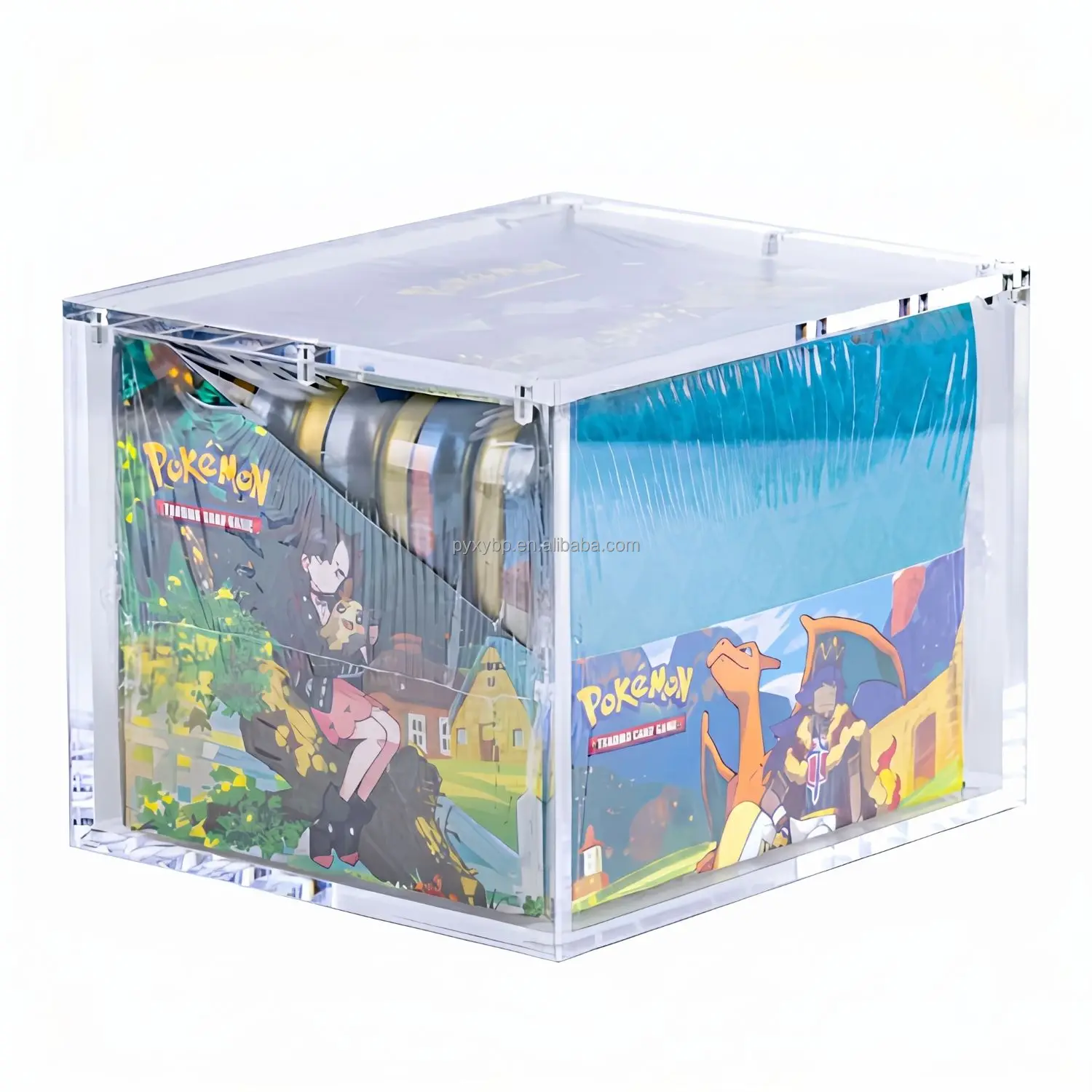
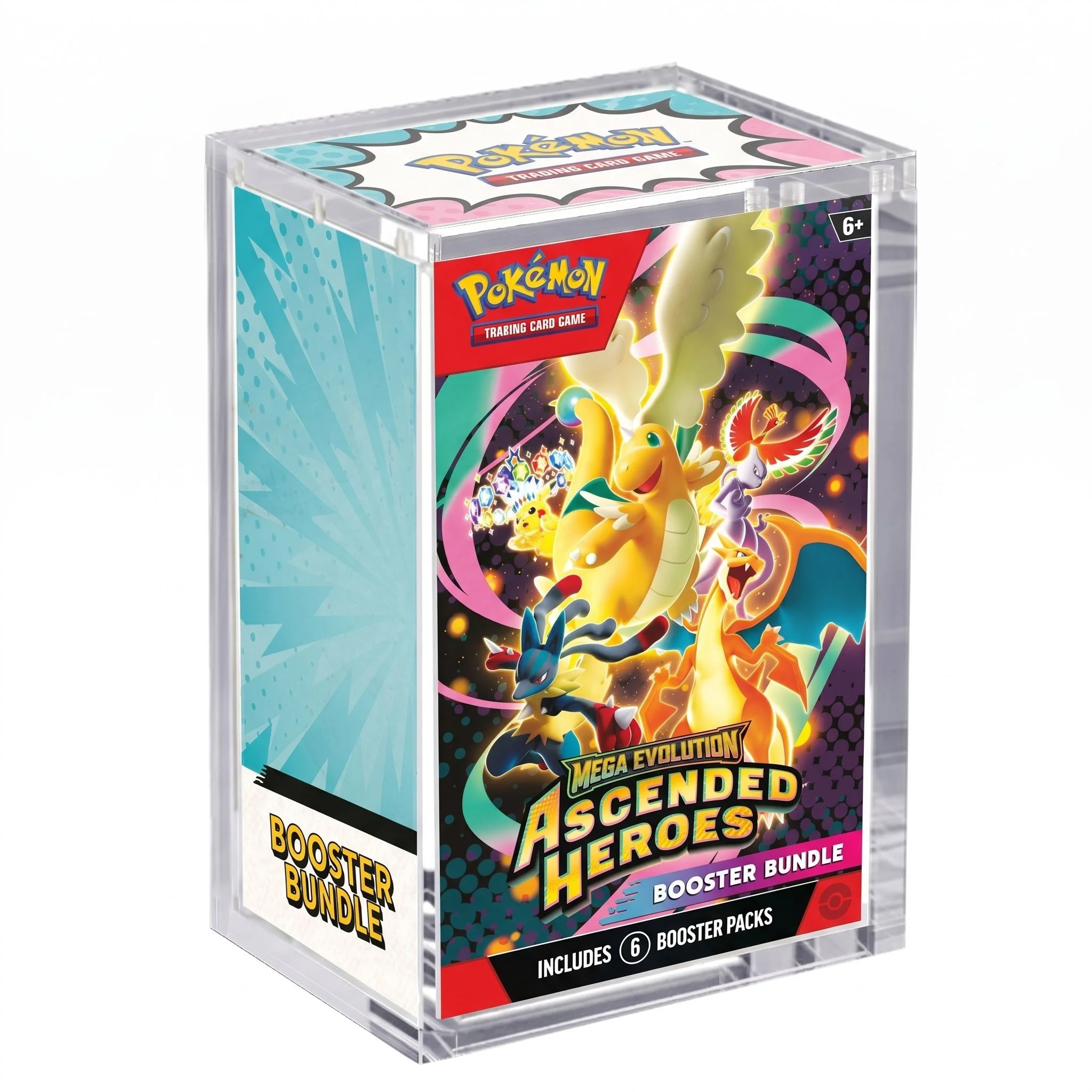
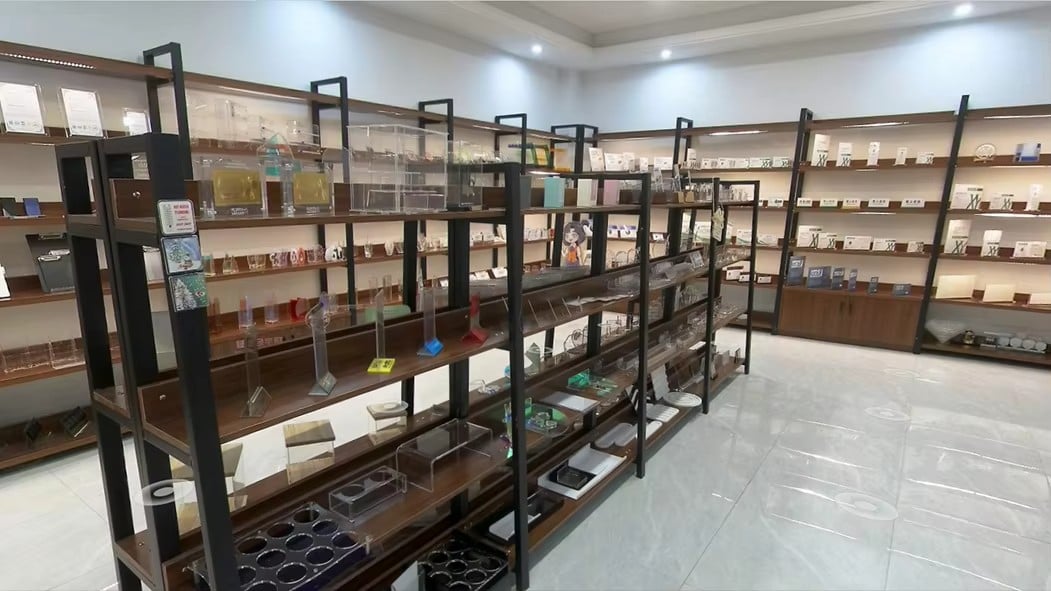
First thing to do is measure the height, width and depth of whatever needs displaying. Leave about an inch or two extra space around each side so people can handle things safely and see them clearly without obstruction. Some folks actually did some research on acrylic cases back in the day. When dealing with delicate stuff like collectibles or valuable art pieces, make sure there's at least half an inch to maybe one inch between the object and the glass wall to avoid any accidental touching. Take a 12 inch tall sculpture for instance it would look best inside a display case where the inside measures closer to 14 inches tall instead.
Design internal features according to the display’s purpose:
When choosing how to set up displays, think about both available space and how people will interact with what's being shown. Tabletop cases are great for smaller items that need regular attention in busy spots like near entrances or checkout counters. Wall mounted solutions take up no floor room at all, making them perfect when there isn't much width to play with. Freestanding units let visitors seeâ?? from every angle, which works wonders for things like art pieces or rotating collections. If something weighs more than fifteen pounds though, definitely strengthen those bottom panels with at least six millimeter thick acrylic material. And don't forget about modular setups either they can be rearranged easily as needs change over time, so displays stay fresh without needing complete overhauls.
The thickness of acrylic really matters when it comes to how long something will last and what weight it can hold. For lighter stuff like rings or paperwork, 3mm sheets work just fine most of the time. When dealing with medium weight objects around 1 to 5 pounds, people usually go for 6mm acrylic because it handles those better without bending. Industrial grade displays that need to support heavier loads? Those typically need at least 10mm panels or even thicker depending on the application. Some research published last year showed interesting results too. They discovered that matching the right thickness to the item's weight could actually make displays last almost 75% longer in busy stores where they get handled constantly throughout the day.
Manufacturing guidelines recommend 10mm acrylic for cases exceeding 40" in any dimension or holding items over 15 lbs. Thinner 3—6mm panels transmit 92% of light—comparable to glass—making them ideal for backlit applications.
Thicker 10mm acrylic definitely offers better protection against impacts, but there's a tradeoff. The material tends to scatter light more, about 22% actually, which makes things look less sharp when viewed through it. Things have changed quite a bit though with new polishing techniques. Now even 6mm thick panels can reach almost glass-like clarity at around 98%, and they handle weight pretty well too—supporting loads of approximately 25 pounds per square foot. That's actually a significant jump compared to older methods, roughly 39% better performance. When preserving delicate artifacts where visibility matters most, adding scratch resistant coatings to these mid thickness sheets becomes essential. This helps keep the clear view intact while still maintaining strength against everyday wear and tear.
Color customization turns functional enclosures into brand-enhancing display tools. Clear acrylic maintains 92% light transmission for true-to-life viewing. Tinted variants filter specific wavelengths to protect light-sensitive materials. Frosted finishes evenly diffuse light, minimizing glare on glossy surfaces, while mirrored backs add perceived depth in compact spaces.
Protect displayed items and improve legibility with performance coatings. UV-resistant laminates block 99% of damaging rays, preventing fading in textiles and artwork. Anti-glare treatments reduce surface reflectivity by 70% compared to untreated acrylic (industry research), ensuring clear visibility under bright lighting without sacrificing transparency.
Digital printing makes it possible to match Pantone colors accurately on acrylic surfaces, typically achieving a Delta E value below 2 which keeps displays true to brand guidelines. The addition of textured finishes like matte etchings or brushed effects creates a unique touch feel that stands out from standard smooth surfaces. According to recent market research conducted in 2024, around 57 percent of consumers recalled seeing textured displays far better than their smooth counterparts. Brands operating across multiple locations benefit greatly from this approach since color calibration during fabrication maintains visual consistency between all sites. Plus, these methods naturally satisfy ADA requirements for sufficient contrast ratios, something that becomes increasingly important when designing accessible signage solutions.
Incorporate LED lighting to elevate visibility and ambiance. Directional LED strips increase viewer engagement by 40% compared to ambient lighting, according to a 2023 retail lighting study. Magnetic closures provide secure, seamless access—ideal for luxury merchandise where clean lines and ease of use matter.
Key functional upgrades include:
Embed brand identity through laser-etched logos or tinted panels that match corporate colors. Strategic compartmentalization reduces clutter—merchandising analyses show organized jewelry sections lead to 27% faster customer decisions. Design access points for maintenance and restocking without disrupting visual flow.
Use impact-resistant acrylic (6mm or thicker) paired with UV-filtering coatings to block 99% of harmful radiation while maintaining 92% light transmission. Anti-scratch treatments rated at 4H hardness preserve clarity despite frequent handling, offering protection on par with glass—but at 35% less weight.
Leverage 3D visualization to assess proportions within the intended environment. Evaluate how lighting interacts with acrylic finishes and identify potential glare zones from anti-reflective coatings. Rotational previews help refine aesthetics and functionality pre-production. Over 89% of manufacturers now require 3D validation, saving $1,200—$5,000 per project in prototype costs.
Confirm the final case fits through doorways, elevators, and transport vehicles. For wall-mounted units, verify anchor alignment with stud spacing and wall composition. Items sensitive to humidity may need climate-controlled seals—a feature prioritized by 42% of galleries today.
Laser cutting gives us really clean edges most of the time, though there are occasional tiny flaws. When we use solvent welding, the joints end up pretty solid and can handle around 220 psi before showing any weakness. After fabrication, we polish the surfaces to get rid of those annoying micro scratches. This process brings back about 92% light transmission, which is actually comparable to regular optical glass. The difference between cases polished through our two stage method versus manual finishing is quite noticeable too. We see roughly 67% fewer surface issues when going through the automated process, something that matters a lot for high quality applications.
 Hot News
Copyright © 2026 by Wenzhou XYBP Cultural Supplies Co., Ltd. - Privacy policy
 EN
EN