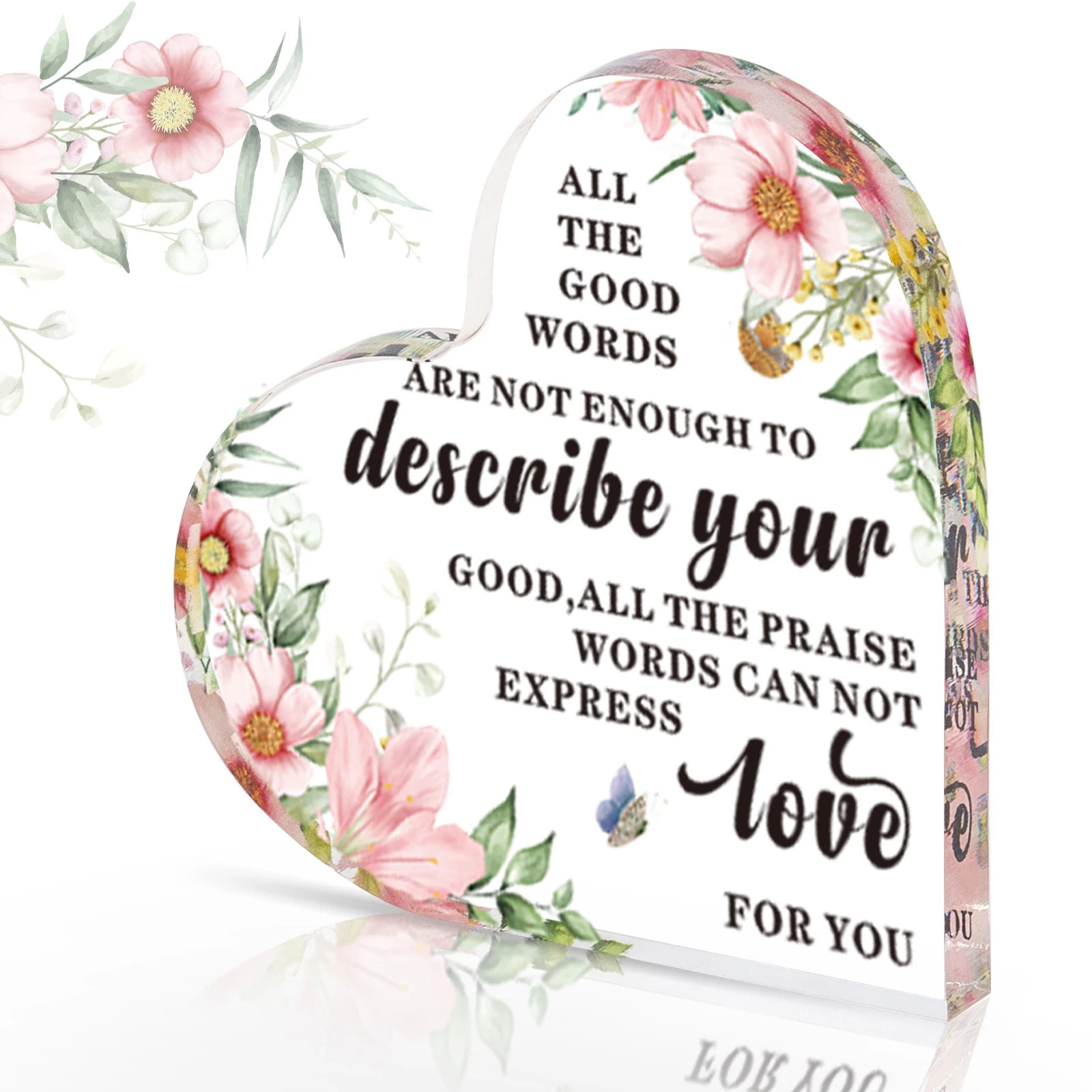
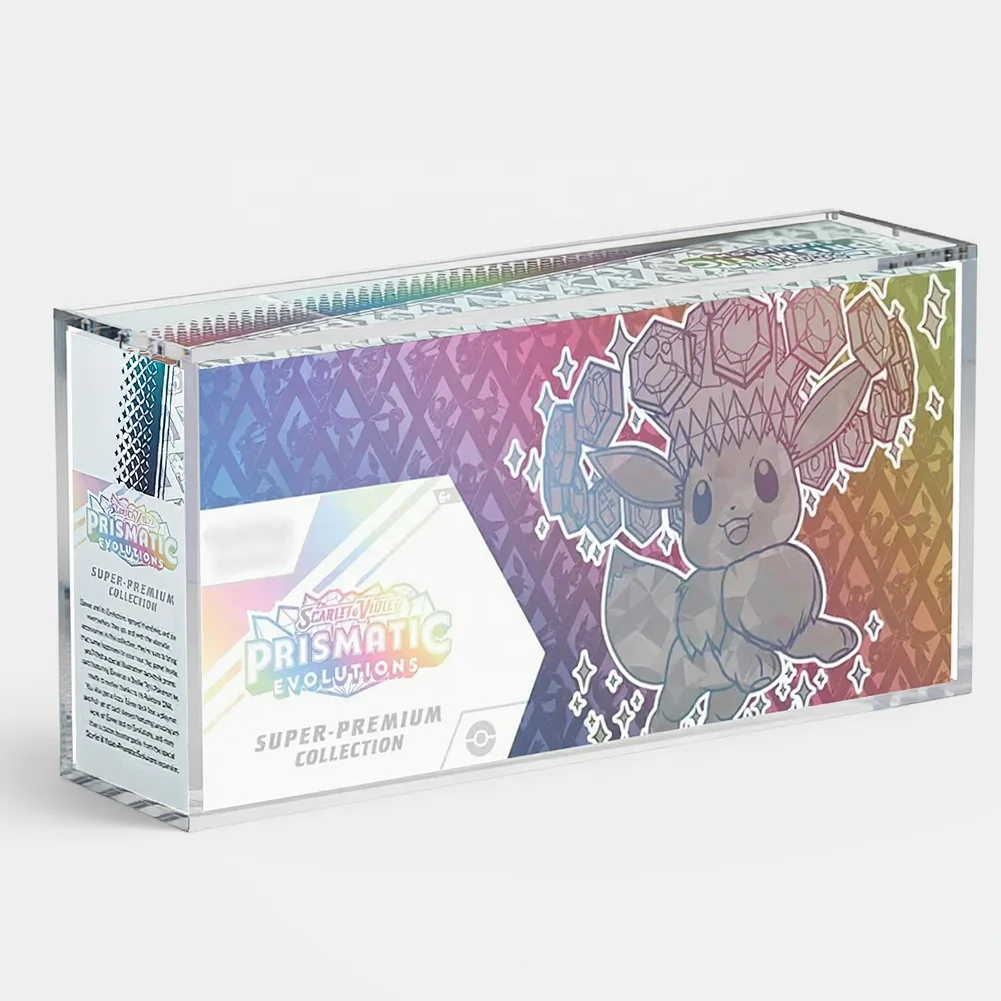
בעת בחירת סוג הנירית המתאים ליצירת מסגרות מותאמות אישית, יש לקחת בחשבון ארבעה גורמים עיקריים. ראשית, עמידות בפני תקלות. לנירית PMMA סטנדרטית יש עמידות של כ-17 קילו ג'ול למטר רבוע, מה שאומר שמסגרות אלו יכולות לעמוד בנפילה למדי מבלי להתפרק לגמרי. הודות לכך הן בטוחות בהרבה מאופציות זכוכית מסורתיות כשמדובר על התקנה בבתים או במשרדים שבהם ילדים עלולים להיתקל בדברים. הגורם הבא הוא בהירות אופטית. נירית באיכות טובה מעבירה כ-92% מהאור הזמין, ולכן תמונות וציורים נראים ברורים כמעט כאילו הוצגו ללא כל מסגרת. יועצים במוזיאונים אכן מעדיפים דרגת שקיפות זו לצורך תצוגת יצירות אומנות יקרות ערך. גורם חשוב נוסף הוא הביצועים מול חשיפה לקרינת UV. דרגות נירית מתקדמות חוסמות כ-98% מהאורה המזיק, וכך מונעות גם מהמסגרת עצמה וגם מהדברים שבתוכה מלכודד עם הזמן. לבסוף, חשוב גם מקדם ההתרחבות החמימית. נירית מתרחבת בכ-0.07 מילימטר למטר, בכל עלייה של מעלות צלזיוס אחת. מעצבים חייבים לקחת את זה בחשבון בעת מדידה, כדי שהמסגרות לא יעוותו או י twists כאשר מזיזים אותן בין תנאי אקלים שונים במהלך היום. כל התכונות הללו פועלות יחד כדי להבטיח שהמוצר הסופי יחזיק לאורך זמן, יראה טוב יותר ויבצע באופן מהימן - בין אם מותקן בסלון של מישהו או תלוי במקום קמעונאי עמוס.
שני שיטות ייצור עיקריות מייצרות תכונות ביצועים שונים:
| תכונה | אקריליק יצוק | אקריל מופחת |
|---|---|---|
| בהירות | איכות אופטית מتفوּקֶנֶת | סיכון קליטות של ענניות |
| עמידות | משקל מולרי גבוה יותר; עמידות גדולה יותר לבקיעות מאמץ | יותר פגיע לشقים הניגרים בעיבка |
| ייצור | אידיאלי לחיקוק לייזר וחתימה מדויקת | מתאים יותר לעיבון תרמי ו_ROUTING_ בתפוקה גבוהה |
| גורם העלות | 25–40% גבוה יותר | אפשרות ידידותית לבudget |
עמידות אקריליק מוזה מרשימה יותר בפני תמיסות כימיות ולחבטות—ב-30% יותר ממצוק—מה שהופך אותו לבחירה מועדפת ליצירות מורכבות ובעלות תנועה גבוהה. אקריליק מוצק מציע עובי אחיד יותר לייצור בפורמט גדול, אך דורש מהירויות עיבка איטיות יותר כדי למנוע עיוות תרמי.
השגת דיוק מדויק מתחילה בבחירת השיטה הנכונה עבור המשימה. חיתוך בלייזר יכול להגיע לסטיית ייצוג של כ-0.1 מ"מ, מה שהופך אותו למצוין לצורך עיבוד פרופילי מסגרת מורכבים שבהם כל החלקים חייבים להתאים זה לזה בצורה הדוקה. לחומרים עבים יותר, חיתוך באמצעות מכונת CNC יעיל יותר, כיוון שהיא יכולה להתמודד עם לוחות בעובי של עד כ-50 מ"מ, תוך שמירה על דיוק סביר בגבולות 0.2 מ"מ. לשתי השיטות נדרשת התאמה מסוימת לצורך פיצוי קרף, כיוון שבעת אידוי החומר או הסרתו במהלך החיתוך, תמיד יש אובדן מסוים, בדרך כלל בין 0.1 ל-0.3 מ"מ. בעת הכנת קבצי וקטור, חשוב לוודא שכל הנתיבים סגורים, להמיר נכון כל אלמנט טקסט, ולמנוע חופפות בין צורות. קווי החיתוך צריכים להיות מוגדרים דקים ככל האפשר – קו עבה בגודל 0.001 נק', בצבע אדום בהיר קוד #FF0000, כדי שהמכונות יוכלו לזהות אותם בקלות. אין לשכוח להוסיף סימני רישום אם נדרשים מספר שלבים בייצור.
גימור השפה משפיע ישירות על המראה ועל האמינות המבנית:
תמיד להשלים את גימור השפה לפני ההרכבה כדי למחוק מיקרו-סדקים העלולים לפגוע בשלמות החיבורים.
חריטת לייזר מאפשרת התאמות מדויקות ובעלות איכות גבוהה תוך שימור שלמות המבנית. חברות יכולות להשיג סימונים ברורים מאוד על מוצרים בין אם מדובר בלוגואים, מספרי סדר או טקסטים מיוחדים לאימות. התהליך גם מאפשר לייצר משטחים עם קרום שונה – מהדפסה מתונה ועמומה עד מראה מחוספס עמוק שמשנה את אופן שבו האור מתפזר על החומר. גם למטרות מעשיות, דברים כמו קודי QR המקושרים לפרוטפוליו מקוון או להיסטוריית המוצר נשארים קריאים גם אחרי שנים רבות של חשיפה לתנאים שונים. כשמדובר בפרטים קטנים מ-0.1 מ"מ ובעמידות בפני נזקי UV וכימיקלים המשמשים לצורכי ניקוי, חריטת לייזר פשוט עולתה על שיטת הדיו המסורתית בכל הקשור ליישומים ארוכי טווח שבהם איכות היא הגורם הכי חשוב.
מסגרות אקריליות מותאמות אישית הולכות רחוק מעבר למסגרת תמונות פשוטה כאשר אנו מתחילים לעבוד עם עיצובים רב-שכבותיים. יש_align_ את השכבות הללו בצורה מדויקת, מה שדורש כלים מיוחדים כגון סיכות רישום וערכות אופטיות המחזיקות את כל האלמנטים בתוך סיבולת של כחצי מילימטר בין כל שכבה. לשם חיבורן, שיטת החיבור באמצעות ממס נותנת תוצאות נפלאות, ויוצרת חיבורים חלקים כל כך שהם נעלמים לעין ברמה המולקולרית. אנו משתמשים גם בדבקים מוקשים על ידי קרינה فوق סגולה, אשר מאפשרים לנו לחבר אלמנטים במהירות גם במקרים של צורות מורכבות. מה שמבדיל באמת את הפריטים האלה הן האפקטים האופטיים שנוצרים בין השכבות. מפרידים שקופים יוצרים את ההרגשה של ציפה, שכבות צבעוניות מתמזגות למדרגות עדינות, ומשטחים מוטבעים מקנים עקמומיות לאור בדרכים מרתקות רבות. והנה דבר נוסף: כל אותם אלמנטים מובנים מפוארים – כמו דפים מתכתיים, פיסות בד או סרטים דו-צבעוניים מגניבים – נשארים בבטחה בתוך מעטפת האקריליק. הגנה זו מבטיחה שהאלמנטים יחזיקו לאורך זמן וימשיכו להיראות מהממים שנים רבות.
שיטת התצוגה משפיעה הן על תפיסה והן על שימור:
יש למקד באפיונים אלו ב מסגרות אקריליות מותאמות אישית :
| תכונה | יתרון לאמנות/צלם |
|---|---|
| משטח לא מחזיר זוהר | מונע הסחות דעת של תאורה ומשפר את נאמנות הצבע |
| הרכב pH נייטרלי | מונע נדידת חומצה ושחיקה של הדפס |
| עובי 0.118"–0.236" | ממקסם קשיחות, משקל וצניעות פרופיל |
שדרגו קצוות דקירה-להט עם סגנונות אלו כדי לשמור על בהירות אופטית ולבטיח זווית ראייה לא חסומה—חשוב במיוחד לתערוכות צילום של אמנות עילאית.
 חדשות חמות
כל הזכויות שמורות © 2025 לחברת Wenzhou XYBP Cultural Supplies Co., Ltd. - מדיניות הפרטיות
 EN
EN