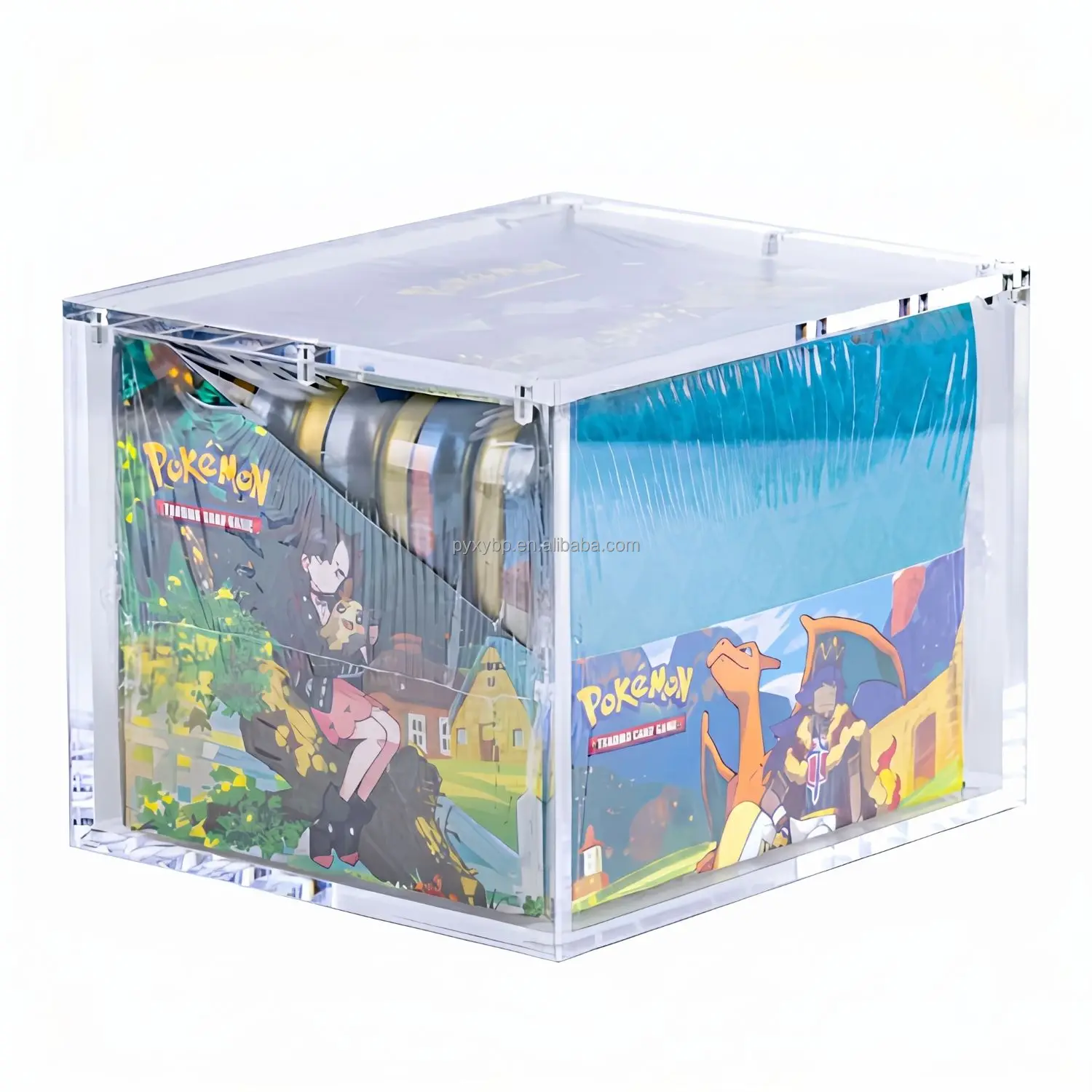
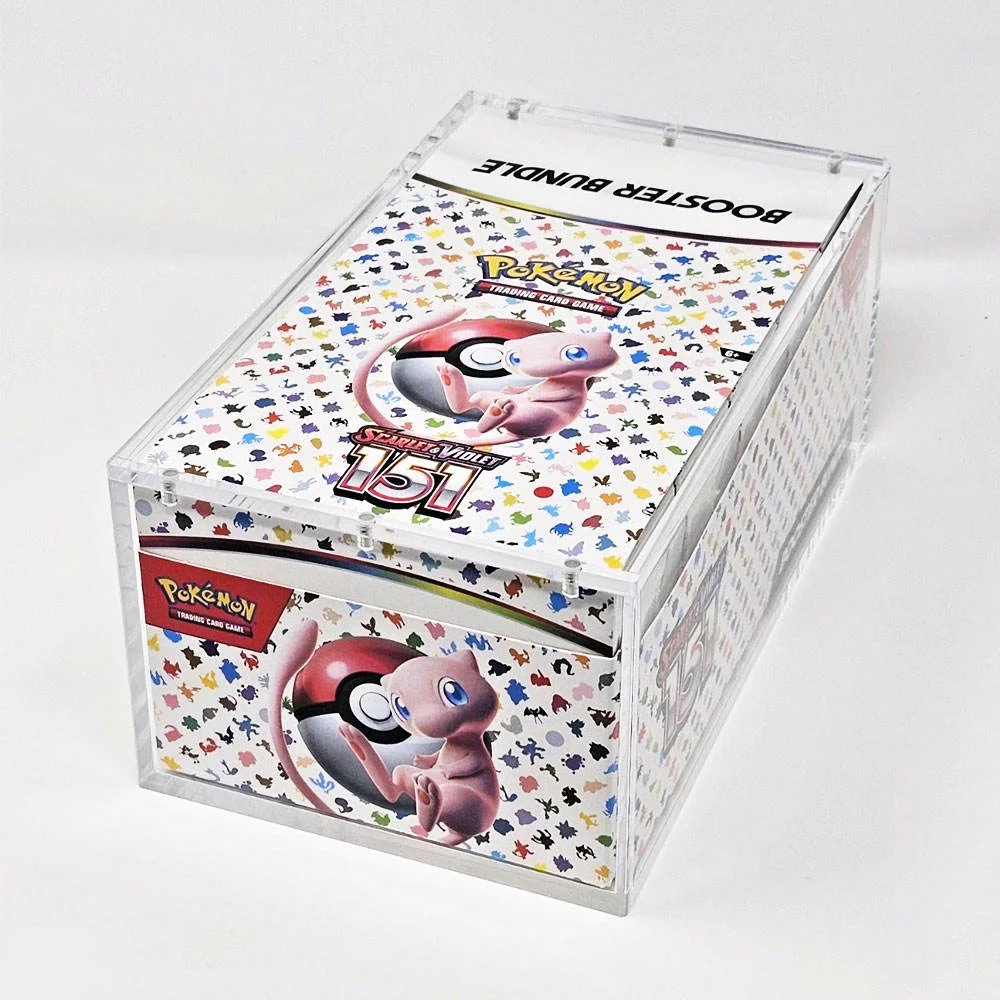
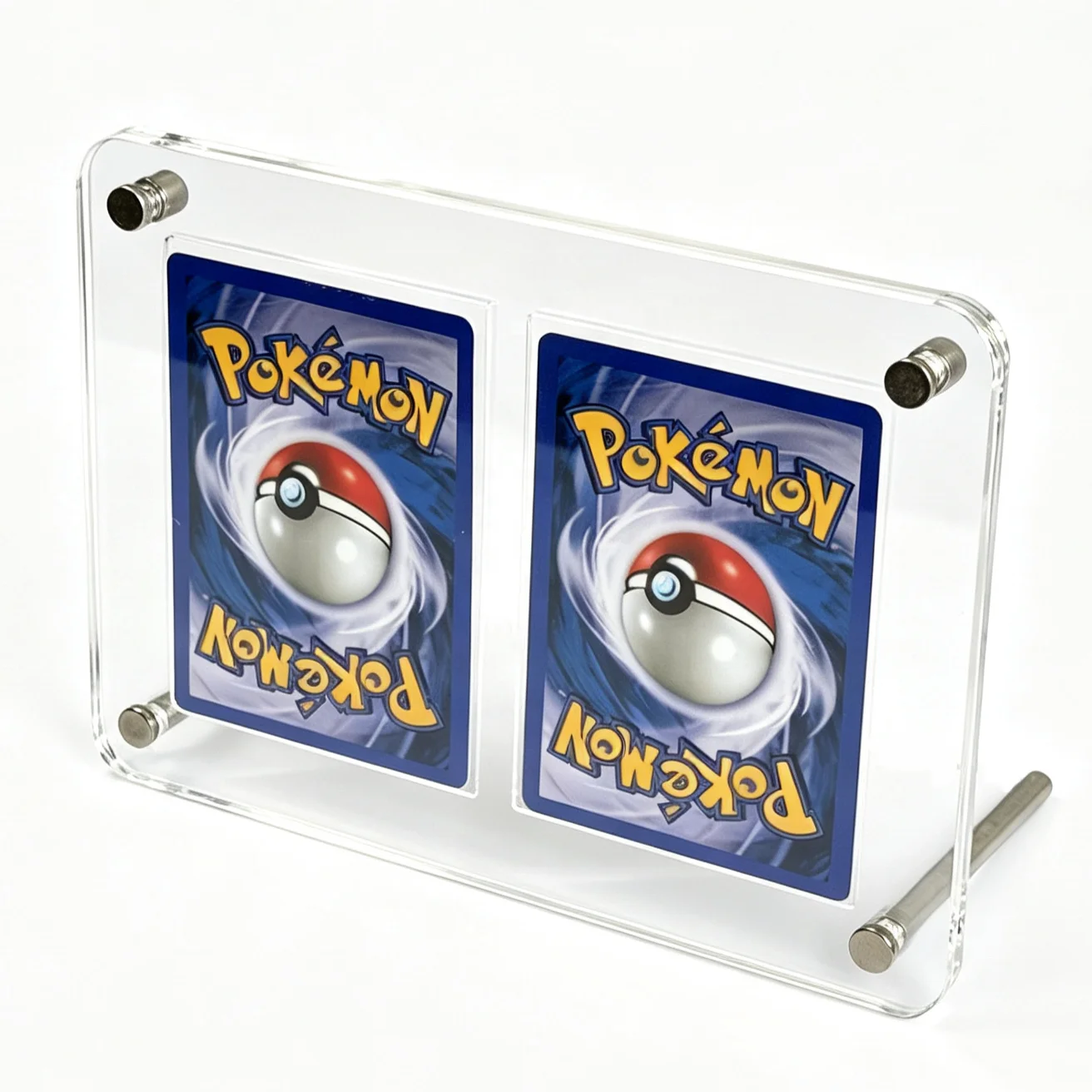
You know, when it comes to displaying pictures or art, the frame matters just as much as what's inside. We spend time picking the perfect photo or print, but then we might just grab any old frame without a second thought. Lately, a lot of people have been asking about using plexiglass for picture frames. Is it actually a good choice? Or is it just a modern trend?
Let's talk about it. If you've ever dealt with a broken glass frame or struggled to hang a heavy mirror, you're going to want to hear this. We work with acrylic materials every day, so we've seen firsthand what works and what doesn't. Here is the real talk on why plexiglass might just be the best thing for your pictures, and a few times when you might want to stick with traditional glass.

First things first, let's clear up what we are talking about. Plexiglass is a brand name that has become a common way to refer to acrylic sheet. It is a transparent plastic, a lightweight and shatter-resistant alternative to traditional glass. So, when we talk about using plexiglass for picture frames, we are really talking about using acrylic glazing instead of glass.
It is not just plastic wrap or that flimsy stuff you find on cheap posters. Good quality acrylic for framing is optically clear, rigid, and engineered specifically for this purpose. It looks just like glass, but it acts very differently.
Let me start with the most obvious reason people switch to plexiglass: it does not break like glass.
Imagine this: a picture falls off the wall. If it has a glass frame, you are looking at a mess of shattered pieces on the floor, a ruined photo, and a potential safety hazard, especially if you have kids or pets running around.
With plexiglass, that scenario is totally different. It is incredibly strong and impact resistant. It might pop out of the frame, but it won't shatter into dangerous shards. This makes acrylic the absolute champion for:
Homes with children: No worries about little ones knocking things over.
Busy hallways: Bumps and vibrations won't cause breakage.
Bathrooms and humid areas: Glass can get slippery when wet, but acrylic is safer.
Shipping and handling: If you are ordering frames online or need to move them, you don't have to stress about breakage during transport.
This durability is a game changer. You can place your art in high-traffic areas without that constant worry in the back of your mind. It lets you enjoy the picture, not fear the frame.
Have you ever tried to hang a large piece of art with a glass frame? It can be a real workout. Glass is heavy. Now, picture that same large frame, but made with plexiglass. Acrylic is about half the weight of glass.
This might not seem like a huge deal for a small 4x6 photo on your desk. But for larger pieces, the difference is massive.
Easier to Hang: You don't need heavy-duty anchors or special help to lift it. One person can easily handle a large acrylic-framed print.
Safer on Walls: Heavy frames put a lot of stress on your drywall. Lighter frames are less likely to pull out the hanging hardware and come crashing down.
More Versatile: You can safely hang larger pieces in places where you might not trust heavy glass, like above a bed or in a plaster wall.
So, if you are thinking about going big with your wall art, using plexiglass for picture frames makes the whole project simpler and safer.
Okay, so it is safe and light. But does it look good? This is where people sometimes hesitate. They worry it might look cheap or plastic-y.
Honestly, a few years ago, that might have been a fair point. Standard acrylic could have a slight haze or distort the image. But today, high-quality acrylic, like the materials we use, offers incredible optical clarity. In fact, there is a type called "Optium Acrylic" that is used in museums. It is so clear you barely notice it's there, and it reduces glare so you can see the art without reflections getting in the way.
And here is something glass can't do as well: block UV light. Sunlight is the enemy of art and photographs. It causes fading and yellowing over time. Many acrylic sheets are manufactured with built-in UV protection, filtering out those damaging rays. This helps keep your cherished memories and valuable prints looking vibrant for generations. Glass typically offers very little UV protection unless it is specially treated.
It wouldn't be fair to only talk about the good stuff. Plexiglass isn't perfect for every single situation. There are a couple of things you need to know.
The first is scratching. Glass is hard, and it resists scratches well. Acrylic is softer. If you wipe it with a paper towel or a dusty cloth, you can put fine scratches in the surface. You have to clean it the right way. Use a microfiber cloth, some mild soap and water, or a special plastic cleaner. Do not use window cleaners with ammonia. Treat it with a little care, and it will stay crystal clear.
The second is static. Acrylic can sometimes generate static electricity, which can attract dust. You might find yourself dusting an acrylic frame a little more often than a glass one. Some premium acrylics have anti-static coatings to help with this, but it is something to be aware of.
One of the coolest things about choosing acrylic is how flexible it is. Because it is a material we can easily cut and shape, the options for your frames are almost endless. You aren't just stuck with standard sizes from the store.
If you have a piece of art with unusual dimensions, or if you want a very specific look, you can get a custom frame made. You can choose different thicknesses of acrylic depending on the size of the art. Thicker acrylic can even be used to create "floating frame" effects, where the art appears to be suspended inside a clear block. It is a very modern, clean look that is hard to achieve with regular glass.
This customizability is why many businesses and artists love using it. They can create a consistent, professional look for their displays that fits their exact brand and space. For your home, it means you can finally frame that vintage concert poster or that unique family photo in a way that looks like it was made for it.
So, back to the original question: is plexiglass good for picture frames? For most people, most of the time, the answer is a big yes.
If you are framing a large piece, putting art in a busy family home, or shipping framed work, it is the smarter, safer, and often better-looking choice. The safety, the lightweight feel, the UV protection, and the modern aesthetic are hard to beat.
If you are framing a tiny piece that will never be touched and will sit on a dusty shelf, traditional glass might be perfectly fine. But for everything else, from your kids' school photos to your prized art collection, acrylic offers peace of mind and lasting beauty.
At the end of the day, the best frame is one that protects your art and lets you enjoy it without worry. And in our experience, using quality materials makes all the difference. So next time you are looking at frames, give acrylic a real look. You might be surprised at how perfect it is.
 Hot News
Copyright © 2026 by Wenzhou XYBP Cultural Supplies Co., Ltd. - Privacy policy
 EN
EN